| I had several forts, or what is left of them, on my trip schedule. The first was Fort Towson Historic Site. |
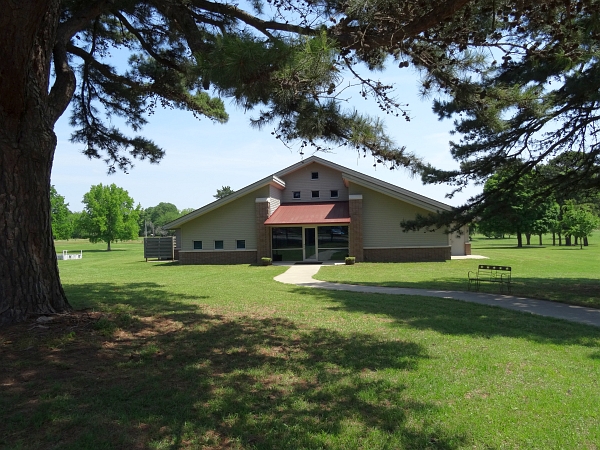 |
| Fort Towson was established in 1824 to
keep the peace between various competing groups, such as American
settlers, the native population and the general lawlessness of the
West. It also served as a disbursal point for the Chickasaw and
Choctaw when they were forced west. The fort was abandoned in 1856 but was used as headquarters for Confederate forces in the Indian Territory. |
 |
| George Gooding's sutler store was here. This is clearly a reconstruction. A post's sutler was a civilian store keeper permitted by the federal government to operate a trading house on or near a fort. He would provide goods and services not regularly supplied by the military. The sutler would also make loans, wrote letters and was a good source of information. |
 |
| It was a nice day to visit the site. The sun was out and only a few clouds in the sky. |
 |
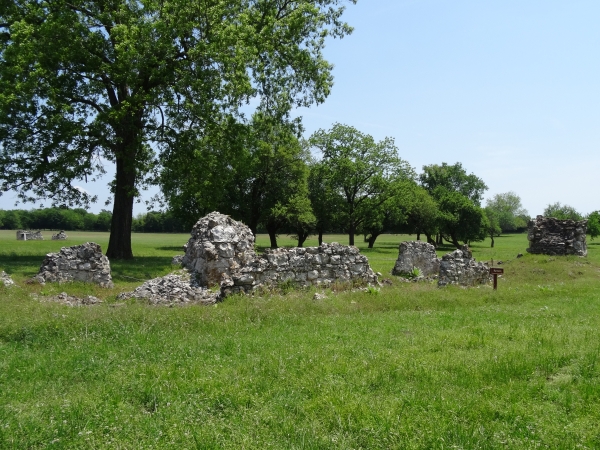
| Remains of a barracks building. |
 |
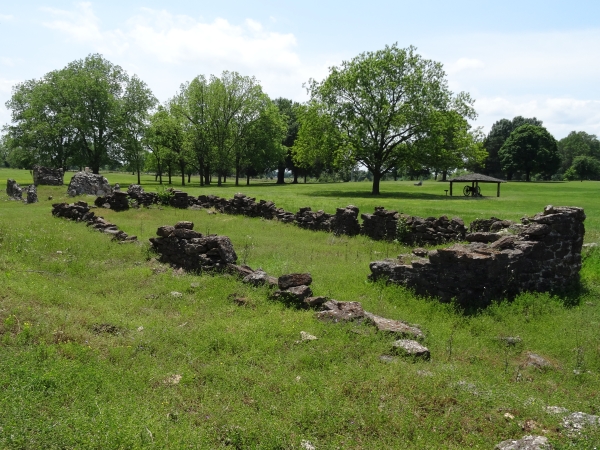
| More barracks. |
 |
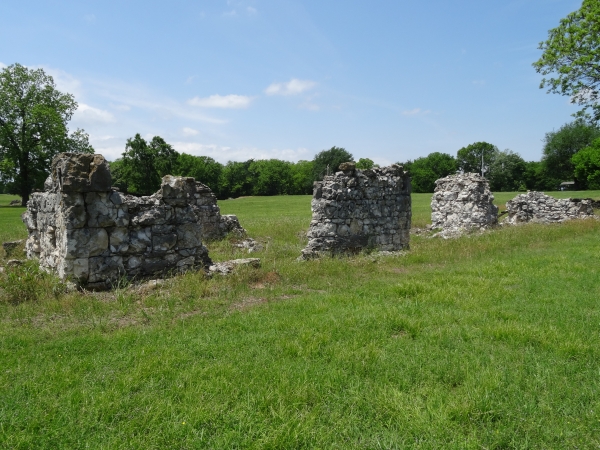
| The park was not too large and was a nice walk around the ruins. |
 |
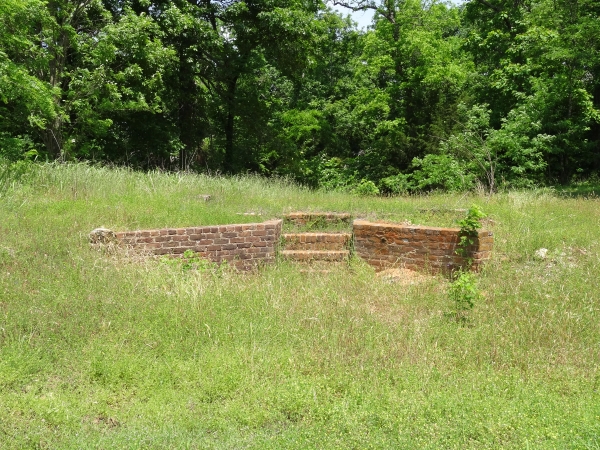
| Steps that led to the magazine building. It was used to store gunpowder, government payroll and other valuables. Choctaw and Chickasaw treaty payments were kept here until distributed. The building foundation was excavated in 1974-1975. |
 |
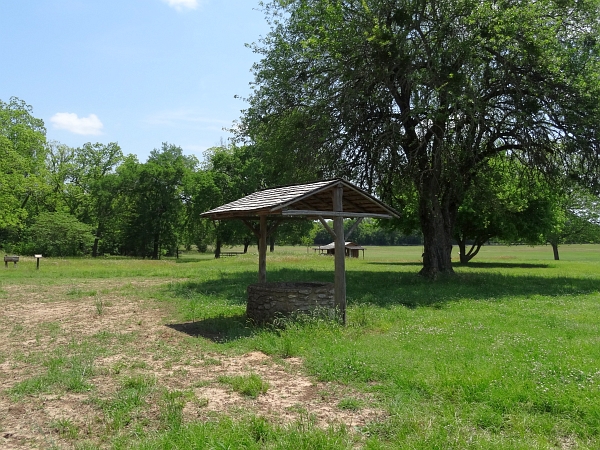
| Well, well, well. |
 |
| Some of the remains of the officer's quarters. |
 |
| Not far down the highway is the town of
Hugo. Believe it or not, the town was named after French novelist
Victor Hugo. The point of interest for me was the Frisco Depot Museum in this old depot built in 1914. |
 |
| Planning for the trip, I identified different museums, not knowing what kind they would be. Some were nice, well-presented places and other were more small local places that basically just had a bunch of old stuff in it. This falls into the latter category. Here is an old post office. |
 |
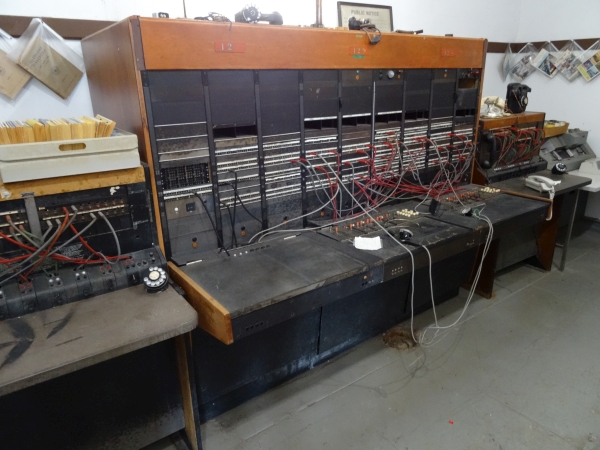
| An old telephone switchboard. |
 |
| Some of these small local museums are just places with various random things. This room was dedicated mostly to memorabilia from Hugo High School. |
 |
| And another room with medical stuff. |
 |
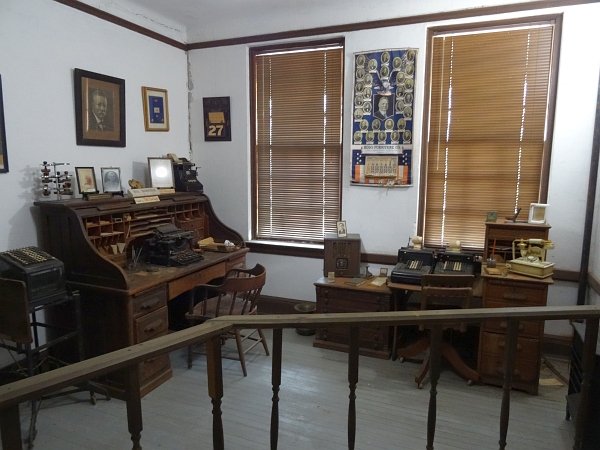
| William Harrison Darrough's office. It was his wife who named the town Hugo. |
 |
| There was a Harvey House lunchroom downstairs in the depot. Upstairs was the Harvey Girls' quarters. There were three bedrooms, a bath and a matron's suite. With only three bedrooms and probably six to twelve waitresses needed for the restaurant, there would have been at least two per room. |
 |
| I was the only visitor to the museum when I got there. The upstairs floors were quite creaky. |
 |
| This was the Harvey House lunchroom where you could grab something to eat while waiting on your train. |
 |