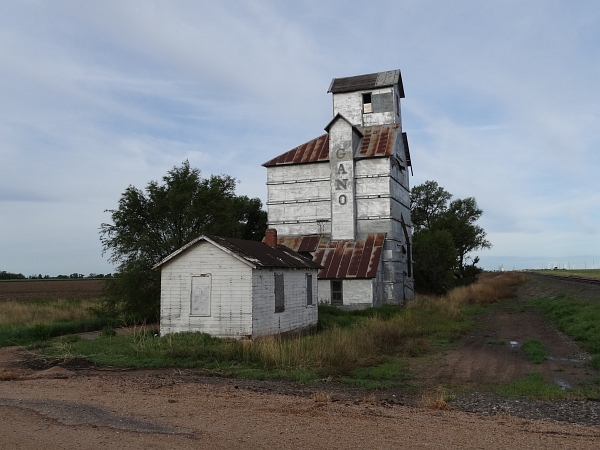
| I had to get the hell out of Dodge (too easy). On the road I passed a couple of old grain elevators just standing alongside the railroad tracks. |
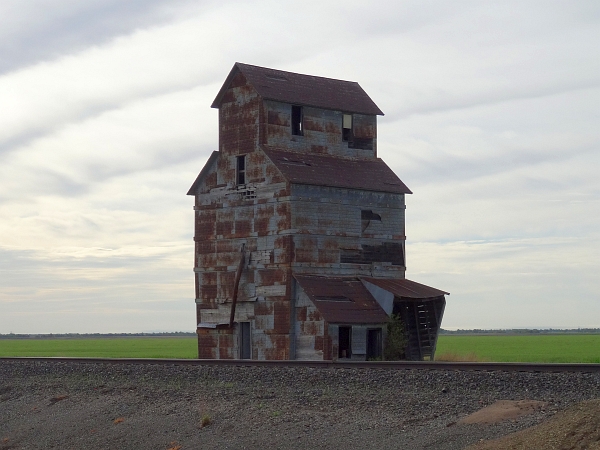 |
| I looked it up online and found out that apparently they were built in 1915. |
 |
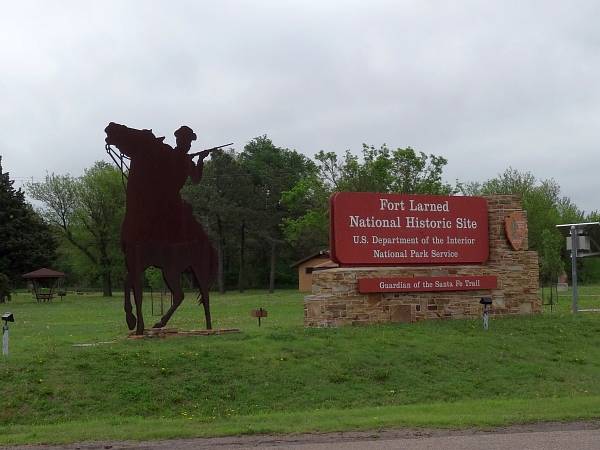
| But this was the destination for the morning, Fort Larned National Historic Site. |
 |
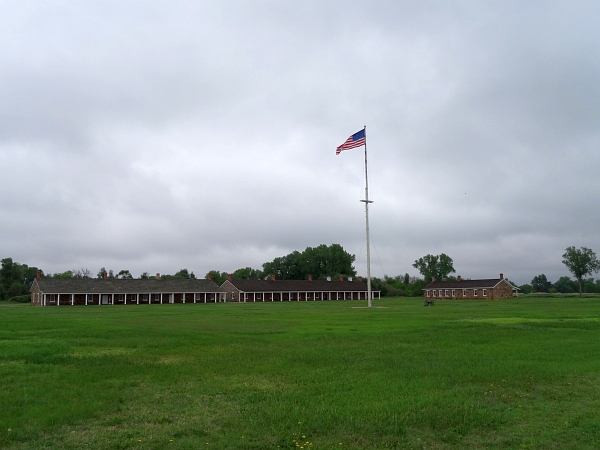
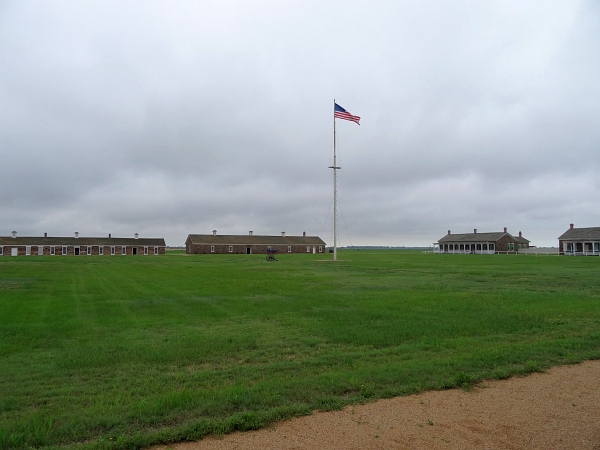
| The flag shows that it was rather windy that morning. It was also fairly cool. |
 |
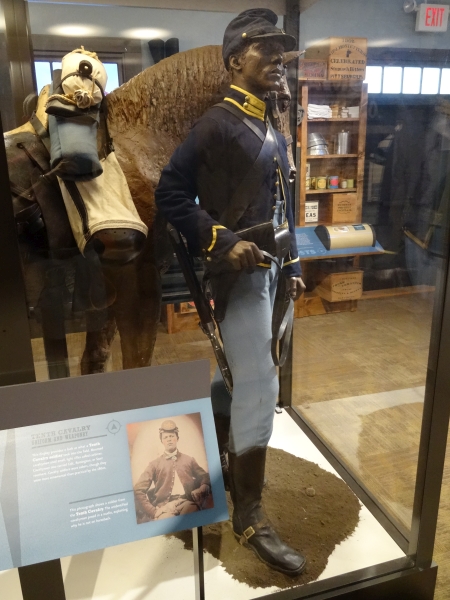
| Buffalo soldier in the heart of America. |
 |
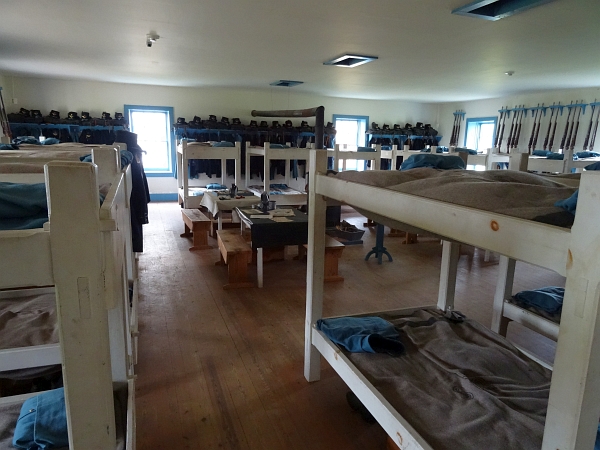
| Fort Larned was established in 1860
when Camp Alert, set up a year earlier, was moved three miles to
near the confluence of the Pawnee and Arkansas Rivers. Here are the barracks. |
 |
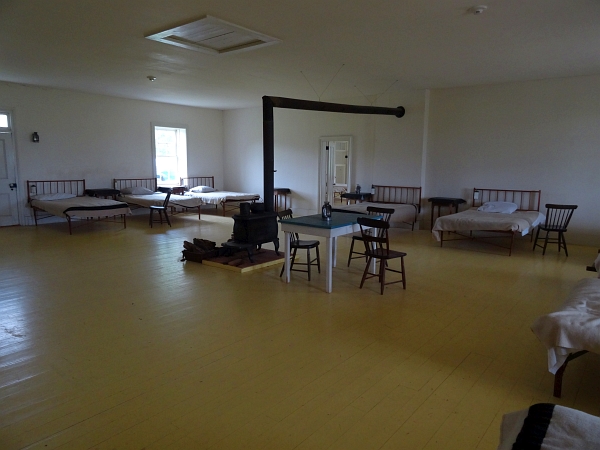
| The need for a fort was to deal with
conflicts between Native Americans and westward travelers along the
Santa Fe Trail. Also in a barracks building is a display of an infirmary. |
 |
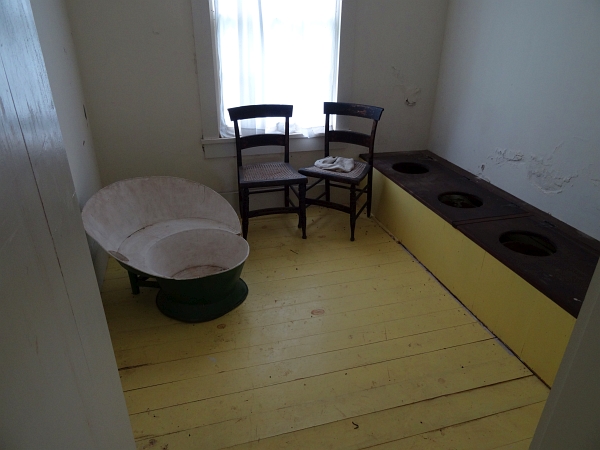
| The seats on the right are clearly toilets, but I don't know what that tub-looking thing is. |
 |
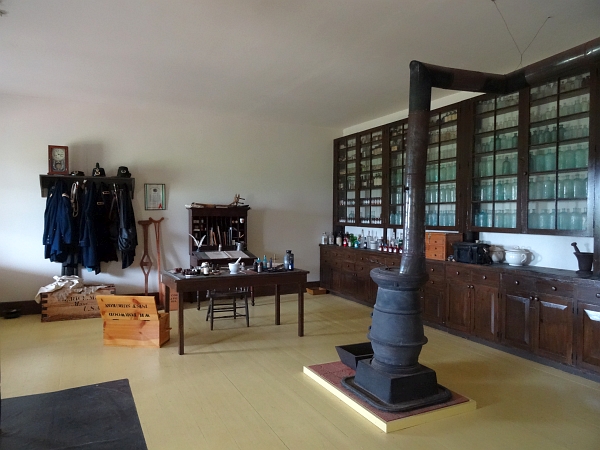
| The post surgeon's office. |
 |
| Still windy. |
 |
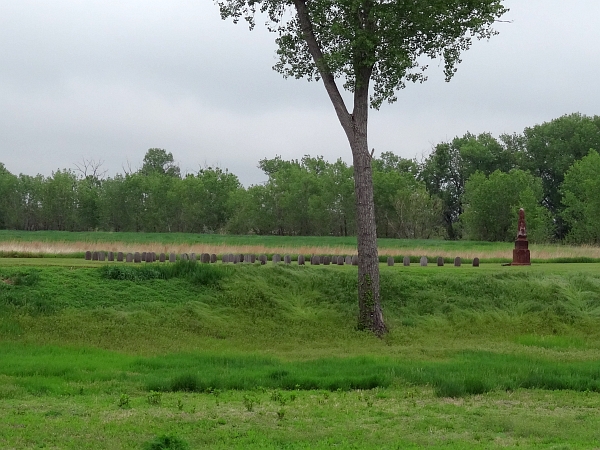
| The original cemetery at Fort Larned. |
 |
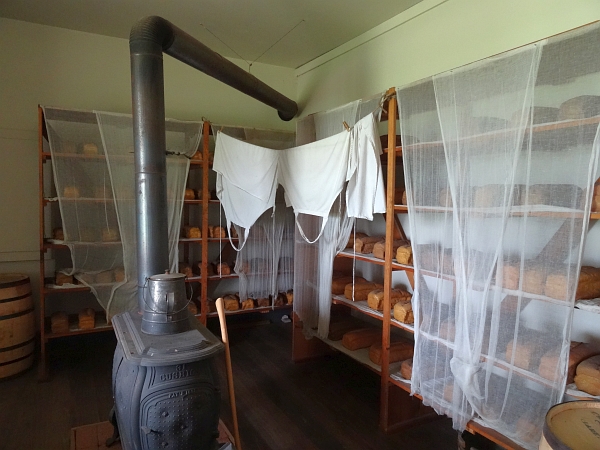
| Man shall not live by bread alone, particularly fake display bread. |
 |
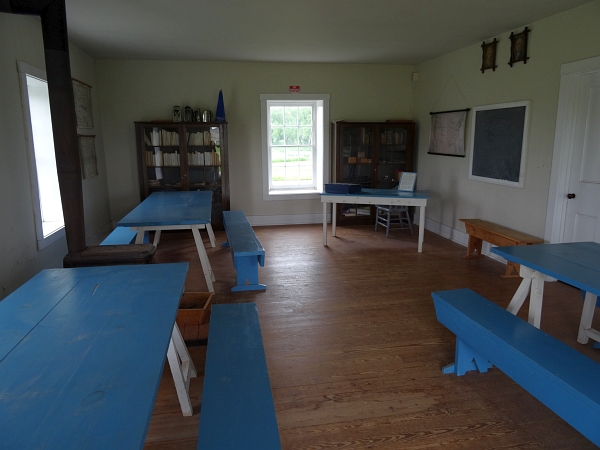
| A schoolroom. Was it for teaching the soldiers? |
 |
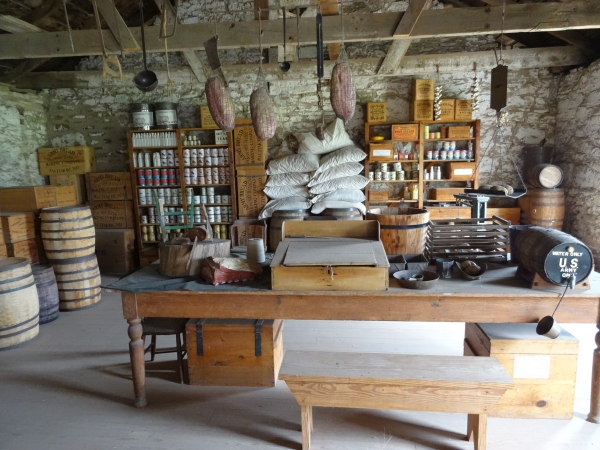
| Here's where they keep all the stuff that is not bread. |
 |
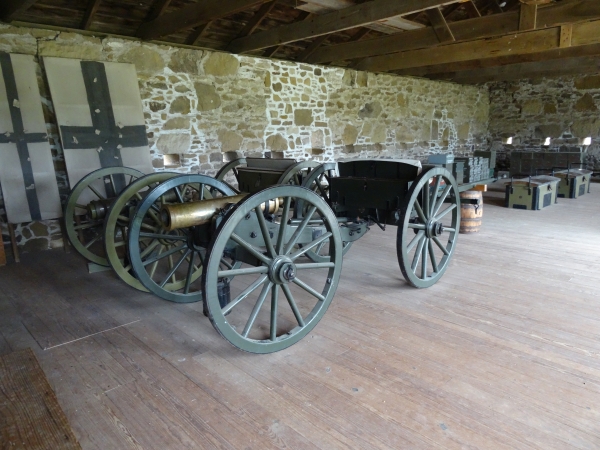
| Cannons. |
 |
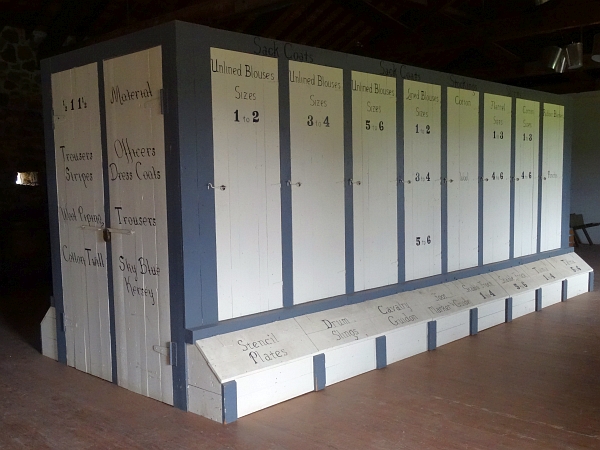
| So it seems that Army blouses came in six sizes, 1 through 6. |
 |
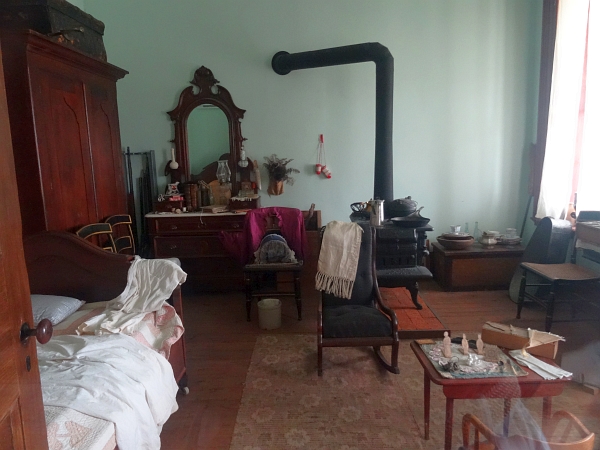
| 2nd Lieutenant Charles E. Campbell shared a room like this with his wife, Anna, and their infant daughter, Ellen. |
 |
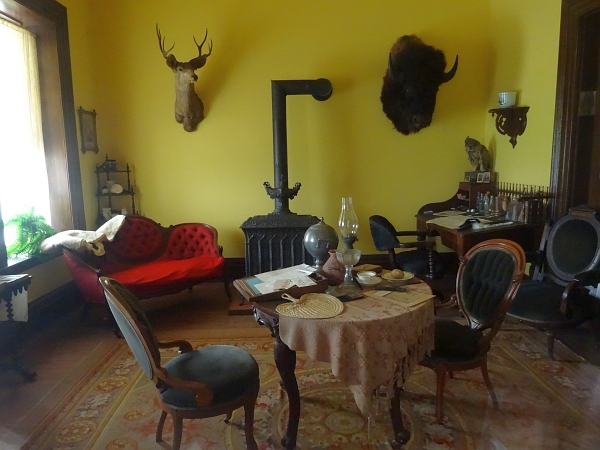
| Post surgeon Captain William Forewood had more room as he was not married. |
 |
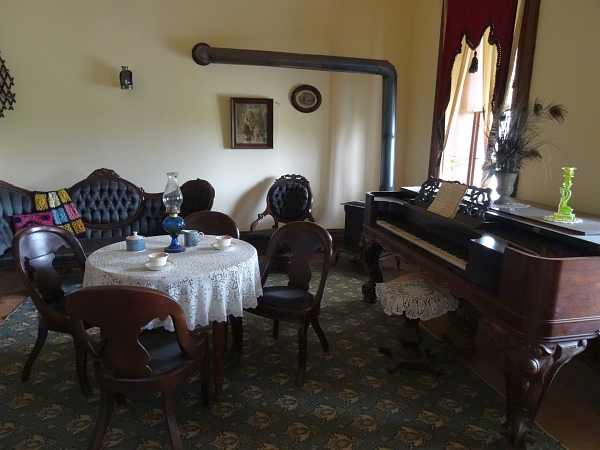
| The piano in this room is called a square grand piano, a shape that made it easy to carry in a wagon. Music was an important form of entertainment on remote frontier posts like Fort Larned. |
 |
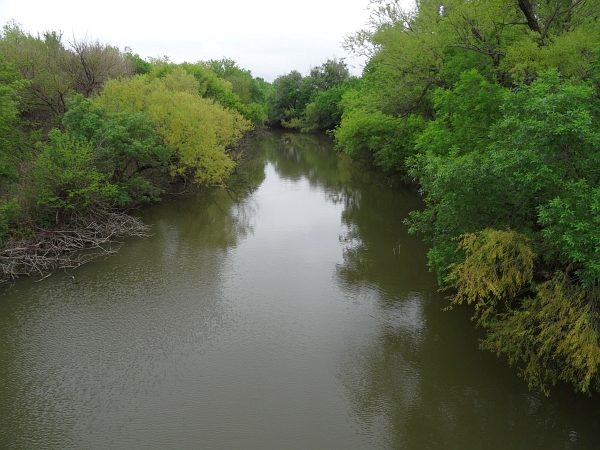
| The Pawnee River near the fort. |
 |
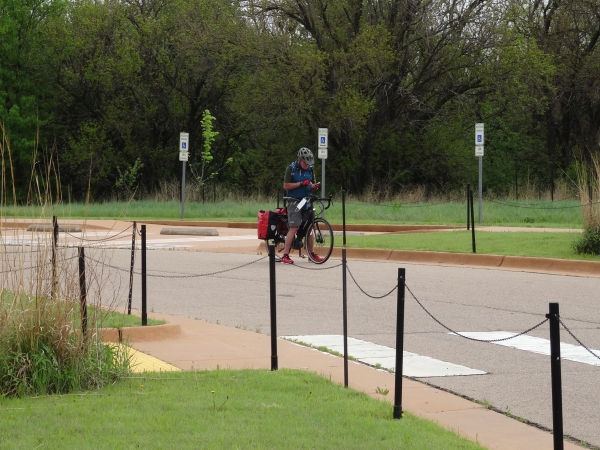
| I did see a number of people out on bicycle rides in the middle of nowhere. I guess if you have enough storage attached to your bike it could be a nice, although slow, way to get around. |
 |