 MONDAY - KAMAKURA

ENGAKU-JI
MONDAY - KAMAKURA
ENGAKU-JI
| Japanese television is just weird. When I have traveled abroad before, I have usually been able to get some channel that broadcasts in English like CNN International or BBC World. The Hotel Kitcho only had Japanese networks. |
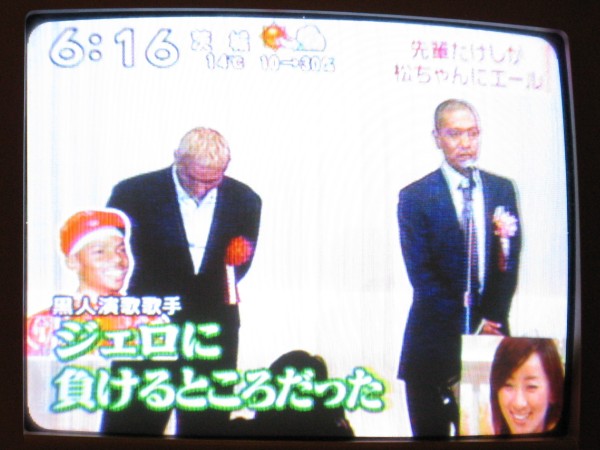 |
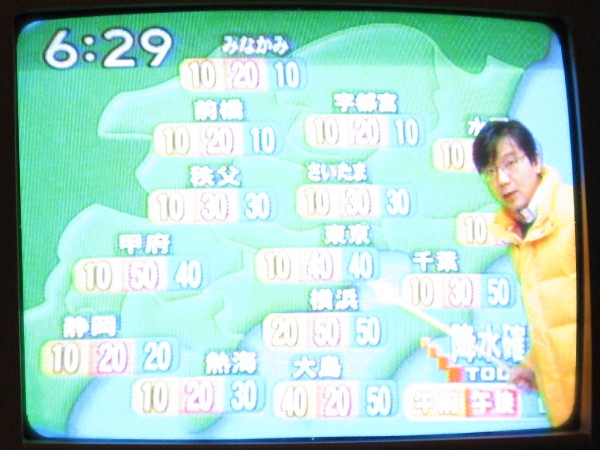
| Here is the weather forecast for Monday. I could never figure out what those numbers meant. |
 |
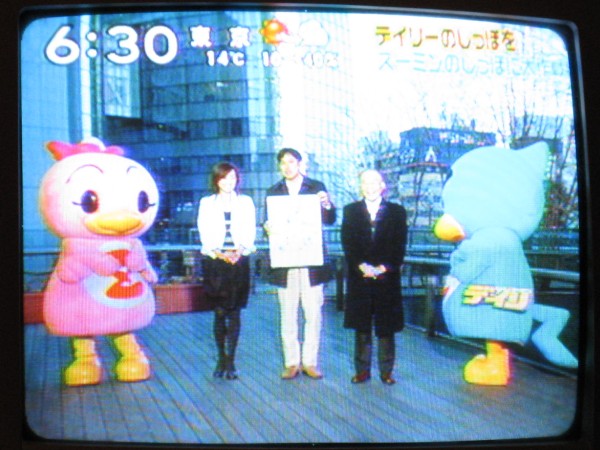
| This morning news show has people in cartoon bird costumes. I can't imagine such a thing on Today or Good Morning America. |
 |
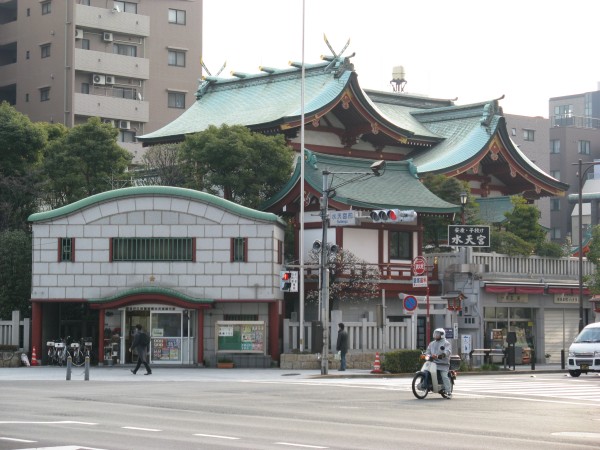
| On the hill is that Suitengū shinto shrine we saw earlier. The little building on the corner is a police station. |
 |
| I had to go to the Tokyo station to catch a train to Shinagawa and then down to Kamakura. |
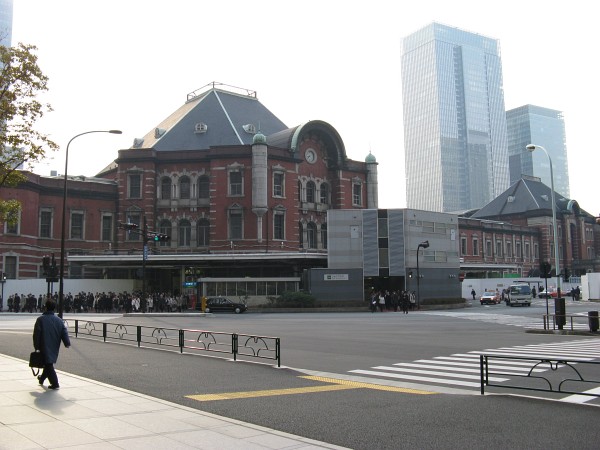 |
| I was smart enough to remember my music and a newspaper this time, although the trip wasn't nearly as long. |
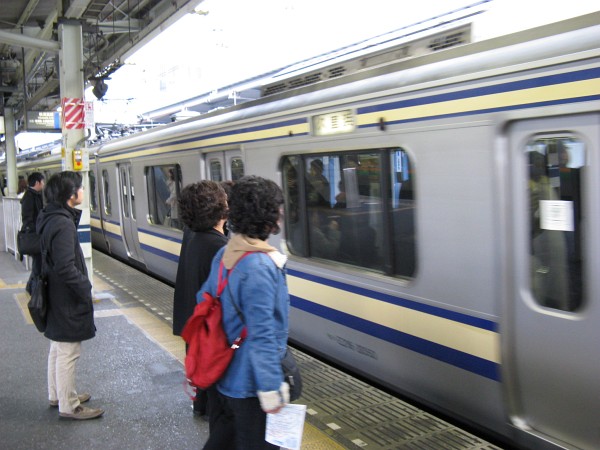 |
| This is the small train station at Kita-Kamakura. |
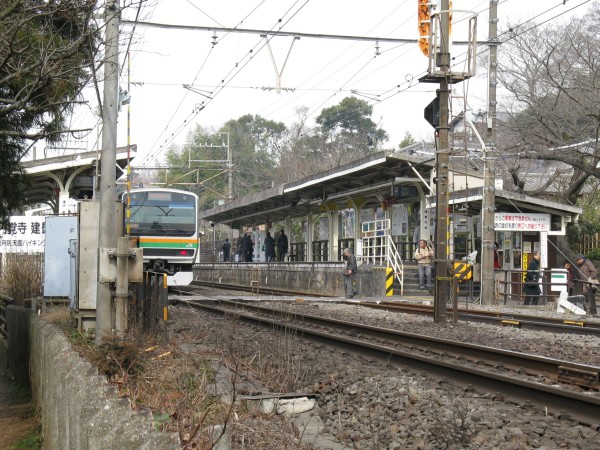 |
| Waking the streets here I really noticed the quiet. Quite a difference from the crowds and children from the day before. |
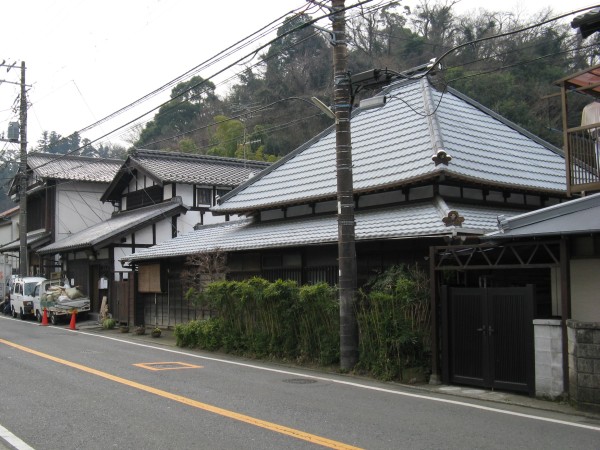 |
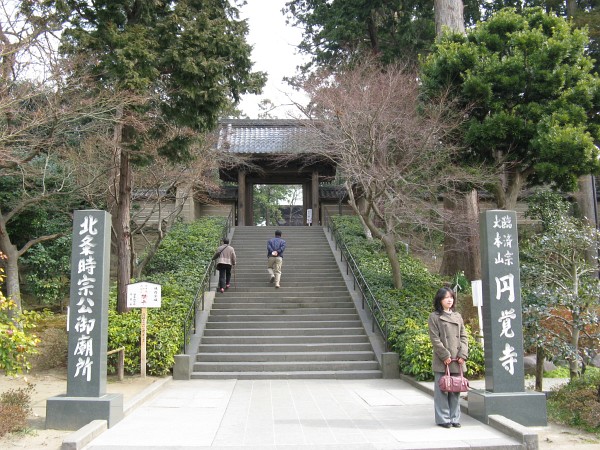
| Kamakura is a town full of temples and shrines, but particularly Buddhist temples. This one, Engaku-ji, is just yards away from the train station. It is the most important of the Zen Buddhist temples in Japan. |
 |
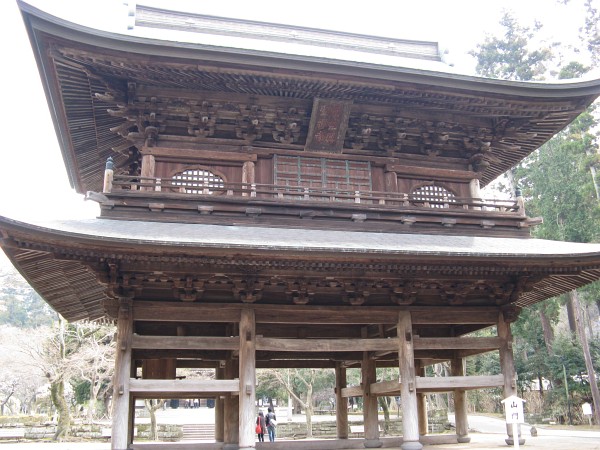
| San-mon (Main Gate). It was rebuilt in the third year of the Tenmei Age (1783) by Priest Daiyu Kokushi. |
 |
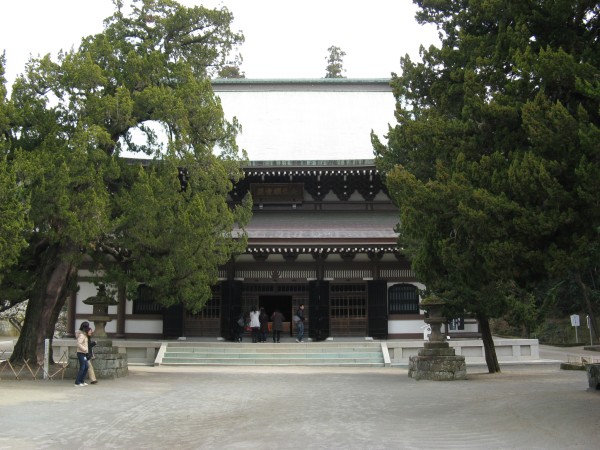
| Butsu-den (Worship Temple). The temple, dedicated to Hokan Shaka Nyorai, was rebuilt in the thirty-ninth year of Showa (1964). |
 |
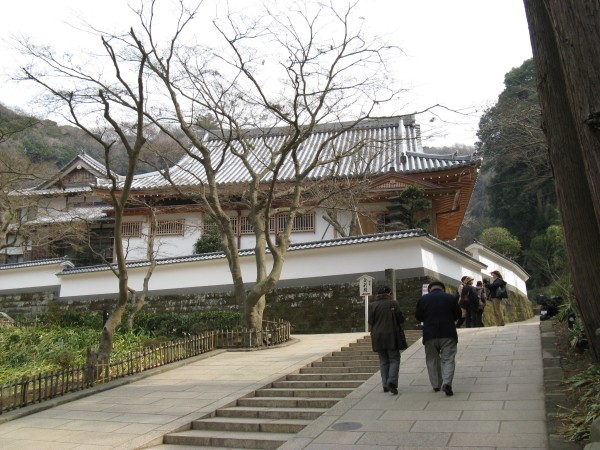
| This may be a residence of the grand poobah monk or something. It looks pretty nice. I wonder if they get cable. |
 |
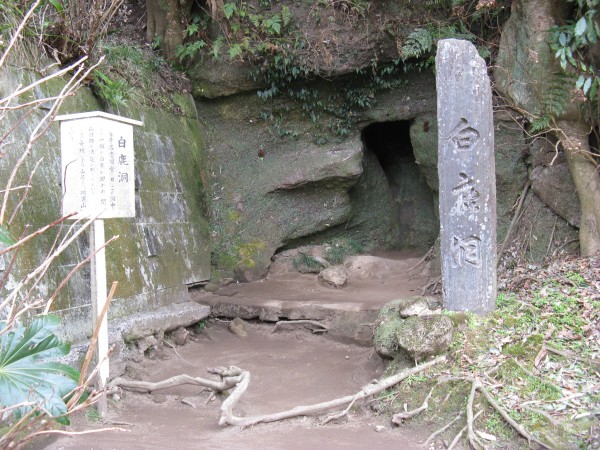
| Hakuroku-do (Cave of the White Deer). It is said that a herd of divine white deer appeared from this cave to attend the sermon of the founder on opening day of the temple. |
 |
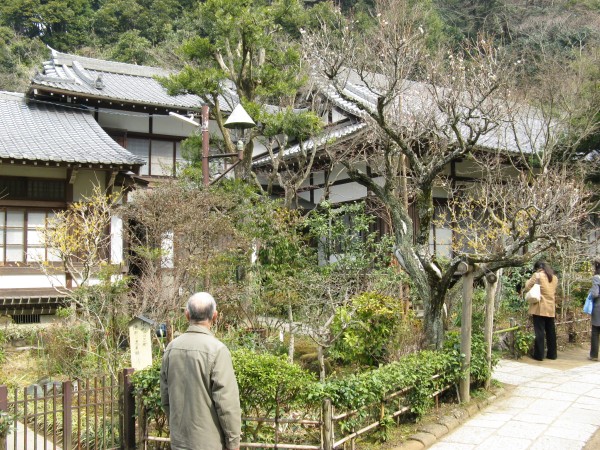
| I didn't note what these buildings are. They look nice, though. |
 |
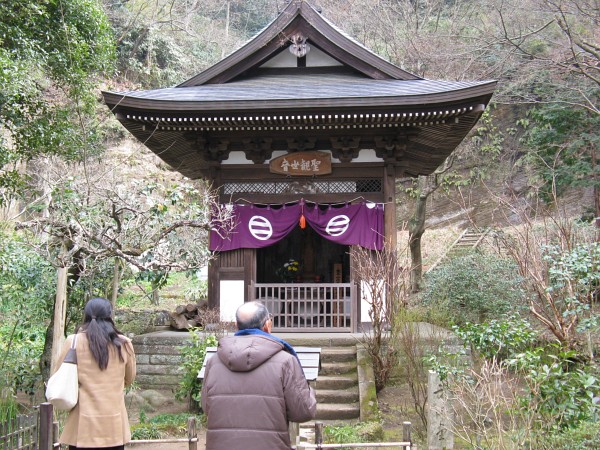
| I don't exactly know what this one is either. I think it may be Ohbai-in, the Branch Temple of Yellow Plums. Or it's something else. |
 |
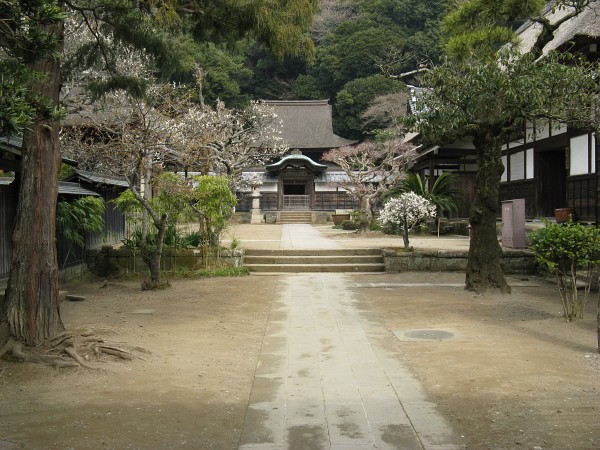
| I heard chanting from inside this complex. Somewhere back there is the Shari-den or Shrine of the Sacred Tooth, where a tooth from Buddha is kept. |
 |
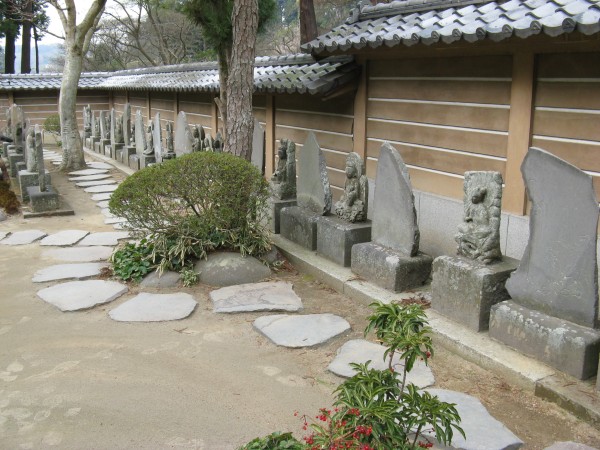
| Hyaku Kan-non (A Hundred Sculptures of Kan-non). The sculptures were enshrined by Sesso Sonja in the Edo Era and the Zen Master Kosen consolidated them in the Meiji Era. |
 |
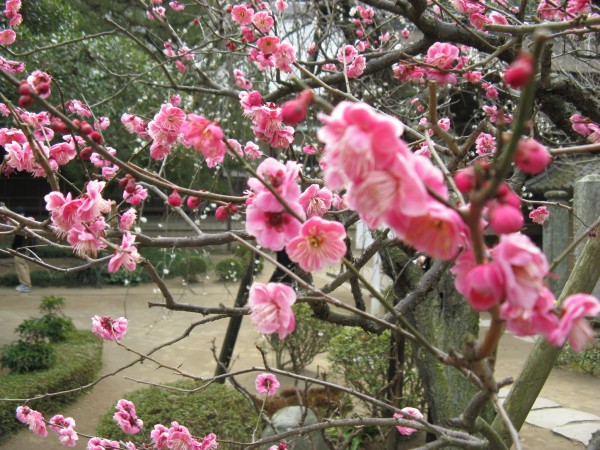
| Little pink blossoms for you and me. |
 |
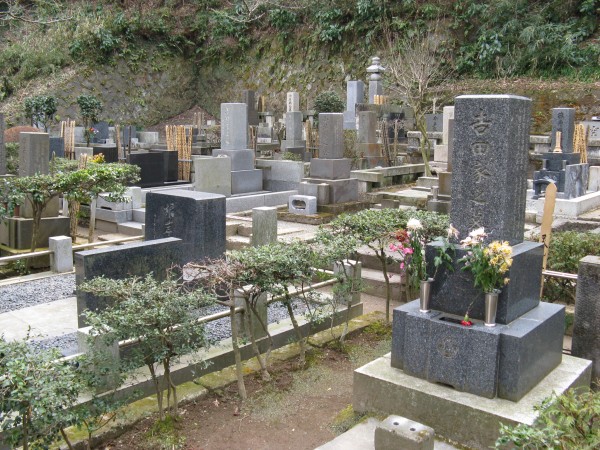
| I see dead Buddhists. |
 |
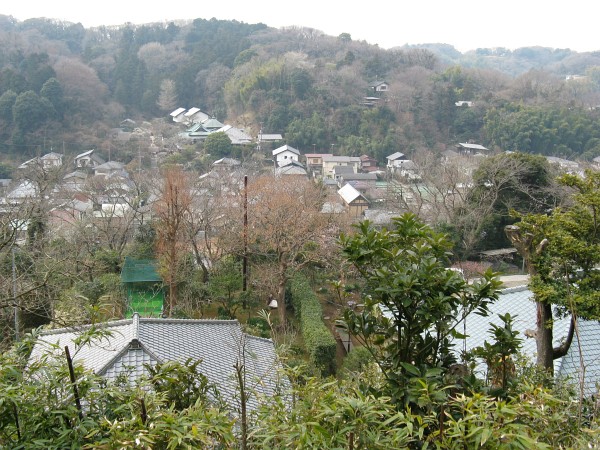
| After climbing up the hill to get to the old bell, I noticed there was a nice view of the north part of town below. |
 |
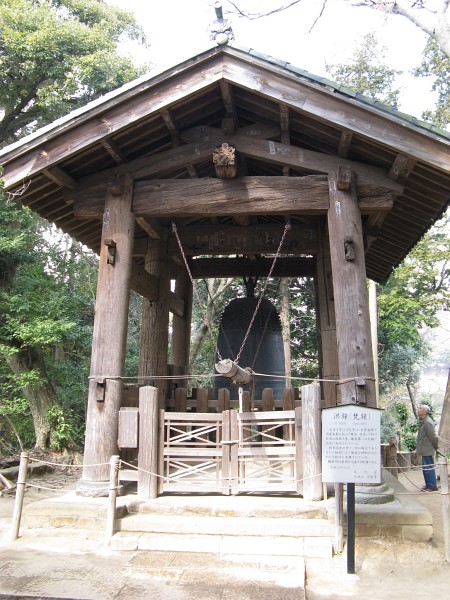
| Ohgane (Temple Bell). This is a national treasure, at least that's what all the signs say. It was donated in 1301 by Sadatoki Hojo for the welfare of Japan. |
 |
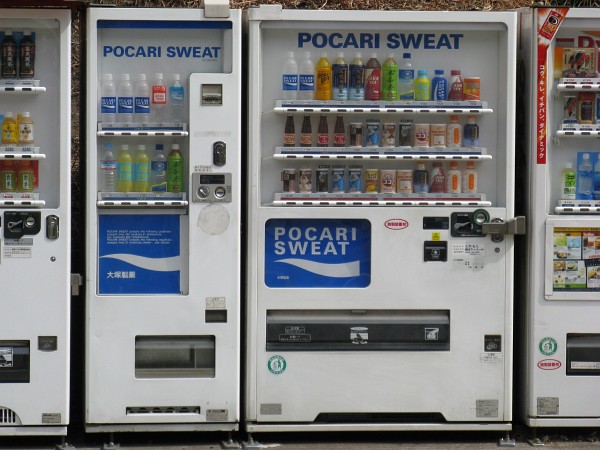
| When you are thirsty, why not grab a bottle of Pocari Sweat? It's the best bottled sweat you can buy! |
 |