 SATURDAY - TOKYO

EDO-TOKYO MUSEUM
SATURDAY - TOKYO
EDO-TOKYO MUSEUM
| On Saturday morning I needed to do some laundry. As I travel with carry-on luggage, I need to pack light. |
 |
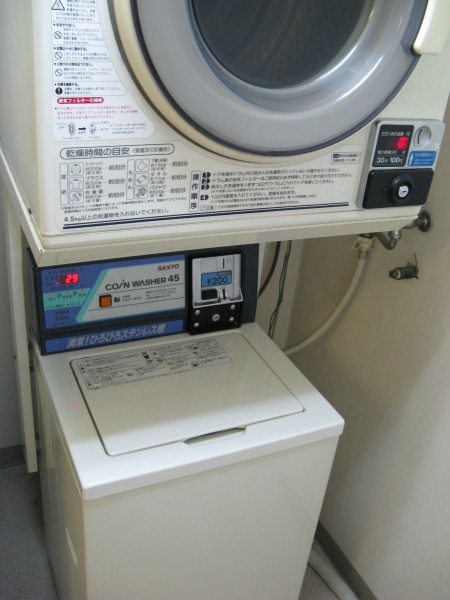
| Here are the washing machine and dryer. I neglected to pick up any laundry soap, so I stuck a bar of soap from the bathroom in there for a little bit. Mostly I just washed in plain water. The clothes seemed to come out pretty clean without detergent. |
 |
| What do I have a penchant for photographing when on holiday in foreign countries? Gas stations. |
 |
| There is the ATM machine in the 7-Eleven where I got my cash. ATM's in Japan are numerous, but most of them do not accept foreign cards. The ones at 7-Eleven do. You can see me taking the picture in the reflective metal above the screen on the machine. |
 |
| I got to the museum before it opened, so I walked through Yokoamicho Park. |
 |
| This is a monument in memory of victims of the Tokyo air raids in World War II and in the pursuit of peace. |
 |
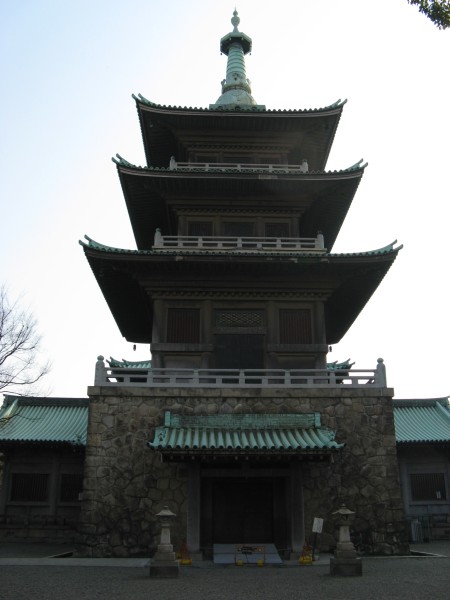
| This is Memorial Hall. It was built in the 1930's to commemorate the victims of the Great Kanto Earthquake. |
 |
| The belfry. |
 |
| The monument of the great earthquake. |
 |
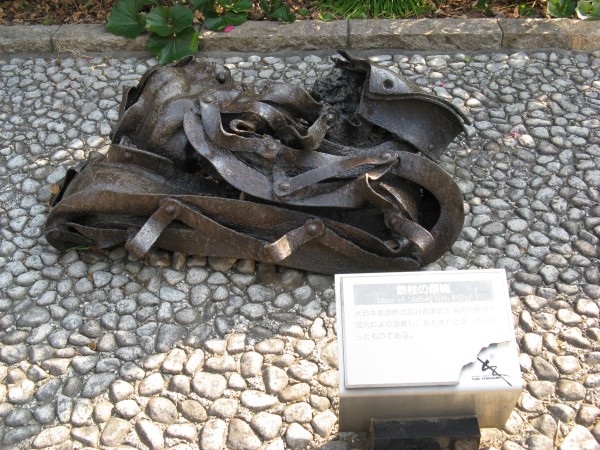
| There was an outdoor exhibit of stuff that was damaged and destroyed in the Great Kanto Earthquake of 1923 that devastated so much of the region. This was a mass of a melted iron pillar. |
 |
| A burnt electro-motor. |
 |
| The Sumida River. |
 |
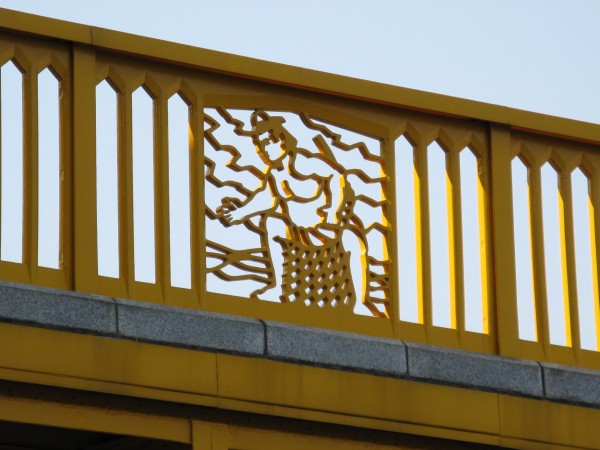
| There is a bridge across the river that has little pictures along the railing. This one is of a sumo wrestler. |
 |
| Somewhere down river on the other side is the neighborhood where my hotel was. |
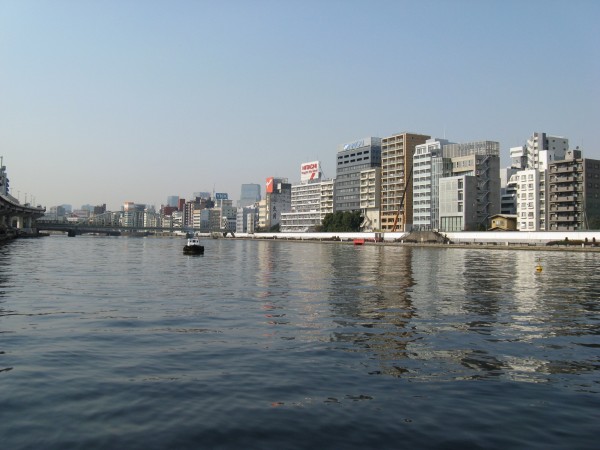 |
| In this big oddly-shaped building is the Edo-Tokyo Museum. It is devoted to the history of the city. |
 |
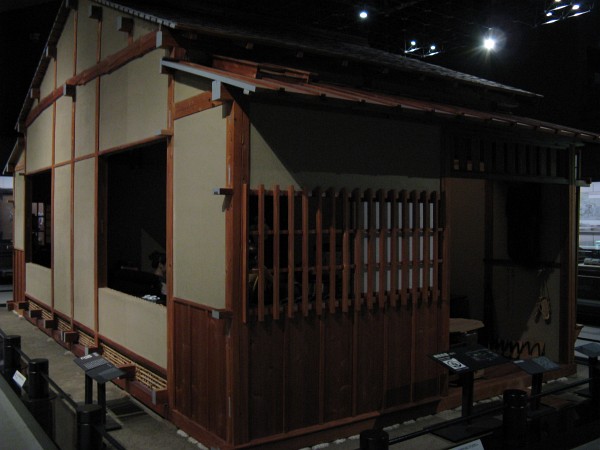
| This is a reproduction of a typical row house from the olden days of Edo, which was renamed Tokyo in 1868 during the Meiji Restoration. |
 |
| This guy is doing some woodworking called sashimono. |
 |
| Time to wash the baby. |
 |
| Here is a reproduction of an old Edo bookshop. |
 |
| This model is of the Mitsui Echigo-ya dry goods store from the early 19th century. |
 |
| A mikoshi, or portable shrine, of the kind used in the Edo Sanja Festival. |
 |
| The area to the west of the Ryōgoku Bridge. |
 |
|
|
|
| This is a full-scale model of a float of the Kanda Myōjin shrine. During the Edo period, the Kanda Festival was held every other year on the fifteenth day of the ninth month. Portable shrines were carried through the streets before entering the Edo castle to be viewed by the shogun. |
 |
| Here is a full-scale reproduction of the main office of the Chōya shinbun, the "Government and People Newspaper", founded in 1874. |
 |
| Remember where I bought my new camera in Ginza? This is what Ginza looked like in the late 1870's-1880's. It was known as "Bricktown". After a great fire of 1872, the government designated Ginza as a model of modernization. Designs for the fireproof brick structures were provided by a British architect, lending a Western look to the buildings of "Bricktown". |
 |
| A rickshaw. |
 |
| These are bargain flyers for soy sauce. There was one really funny thing in this museum. Not all of the cards and signs had English translation, but a lot of them did. You know the stereotype about Asians not being able to differentiate between their r's and l's when speaking? Apparently they can't write it either. One translation described "marbles of cray" and another mentioned something about a "high-lanking class of courtesans". I swear I'm not making this up. It does make me wonder how well we translate similar signs into other languages. |
 |
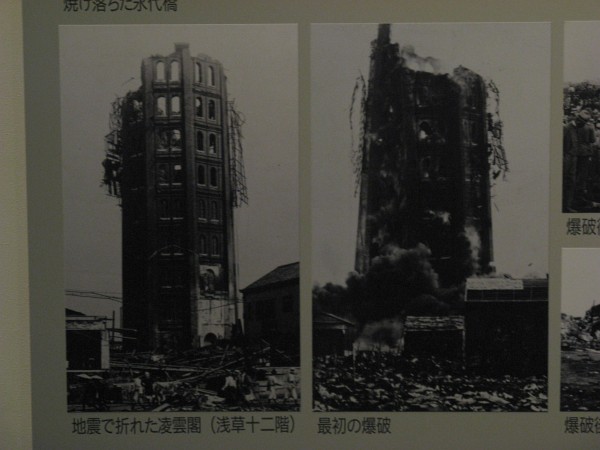
| A model of the Ryounkaku tower in Asakusa, completed in 1890. Inside the tower was Japan's first elevator. |
 |
| The tower could not withstand the Great Kanto Earthquake. |
 |
| The interior of a traditional Japanese room. |
 |
| And a Western-style room. Many homes had rooms of both kind. The Western-style rooms were typically used to entertain visitors, whereas the Japanese rooms were for daily living. |
 |
| Here's a room as it would have looked during WWII. |
 |
| Some remains from the Tokyo air raids. This room was a little uncomfortable. There were several displays of wartime living and a video showing footage of some of the terrible damage. Being the only American in sight, it was a little weird. But then again, they started it. What was I uncomfortable about? |
 |
| A model of one of the balloons that the Japanese sent across the Pacific to land on North American cities. |
 |
| Some of them actually reached the American mainland. This map shows their route and I guess the X's indicate where some were known to have landed. |
 |
| I don't think this is the original, but it is the instrument of surrender signed by representatives of the Emperor of Japan and Douglas MacArthur on the deck of the USS Missouri. |
 |
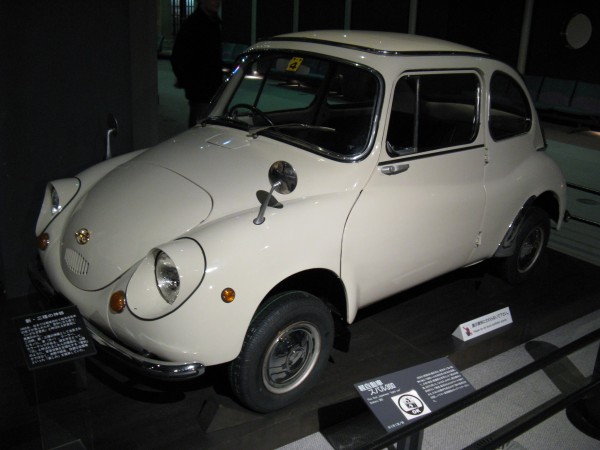
| The first Japanese "light car", the Subaru 360. |
 |
