 TUESDAY - TOKYO
TOKYO-EDO MUSEUM
TUESDAY - TOKYO
TOKYO-EDO MUSEUM
| We headed back to Tokyo Station to meet Robert for lunch at a ramen place he wanted to try. It is called T's. |
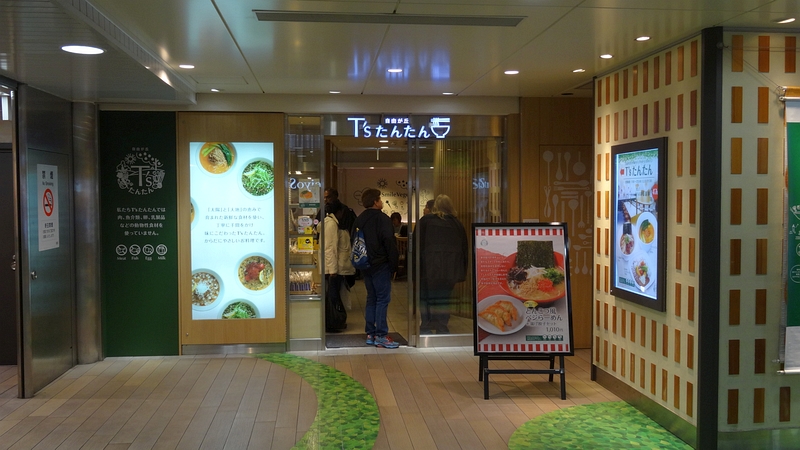 |
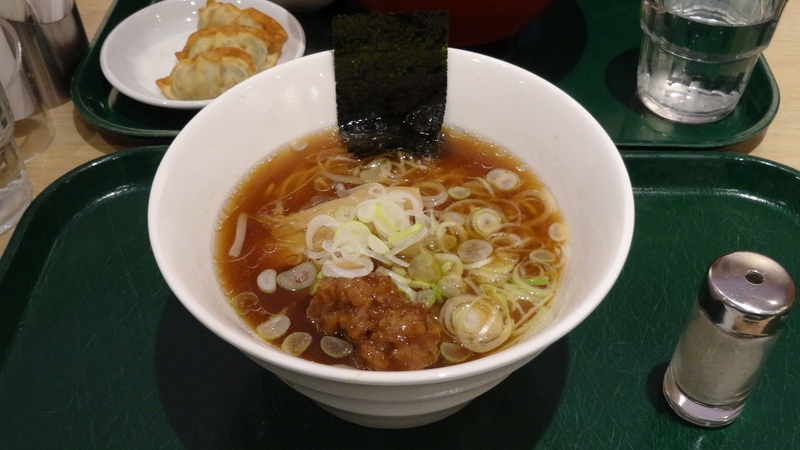
| It is a vegetarian place. I had a bowl of ramen with chunks of tofu that tasted like meat. It was rather good. Even the big piece of seaweed was okay. |
 |
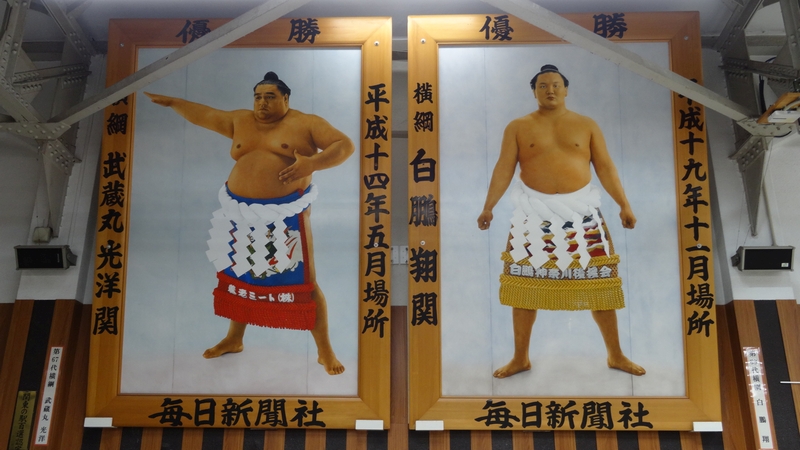
| There were large pictures of sumo wrestlers in the Ryogoku Station. |
 |
| I went to the Edo-Tokyo Museum on my last visit, but it is a good museum. |
 |
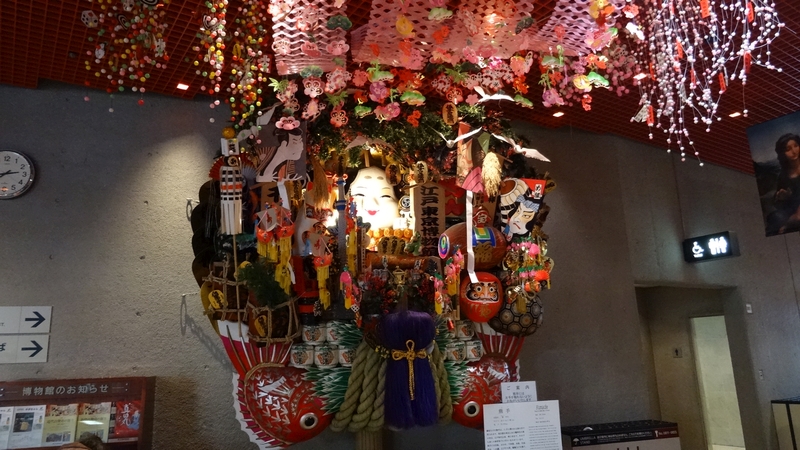
| A kumade, a decorative bamboo rake of fortune. |
 |
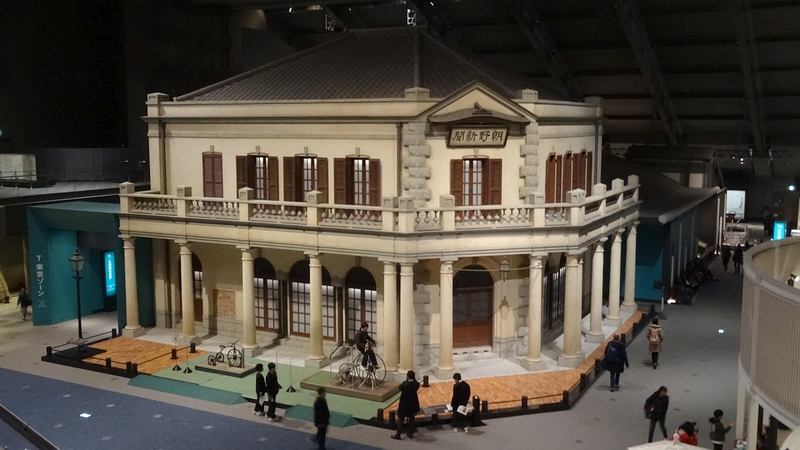
| Here's that reproduction of the main office of the Chōya shinbun again. |
 |
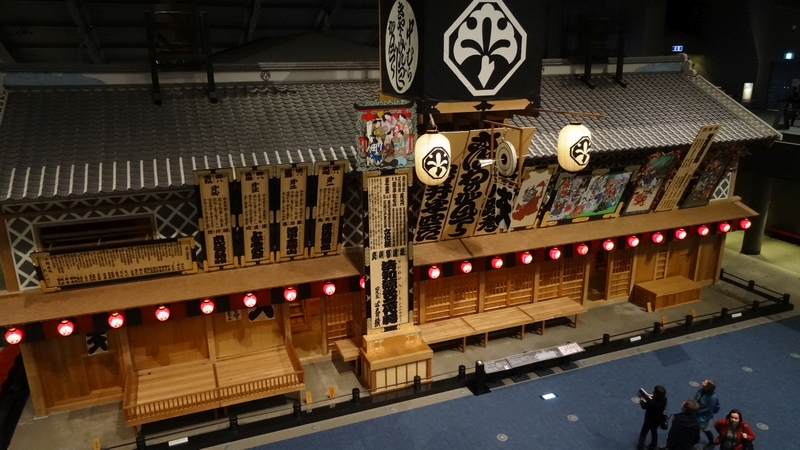
| You know I just assumed that since I had been to the museum before I had taken a picture of this and noted what it was. Turns out I had not. But thanks to the museum's website I confirmed that it is what I thought it was, a reconstruction of the Nakamura-za kabuki theatre. |
 |
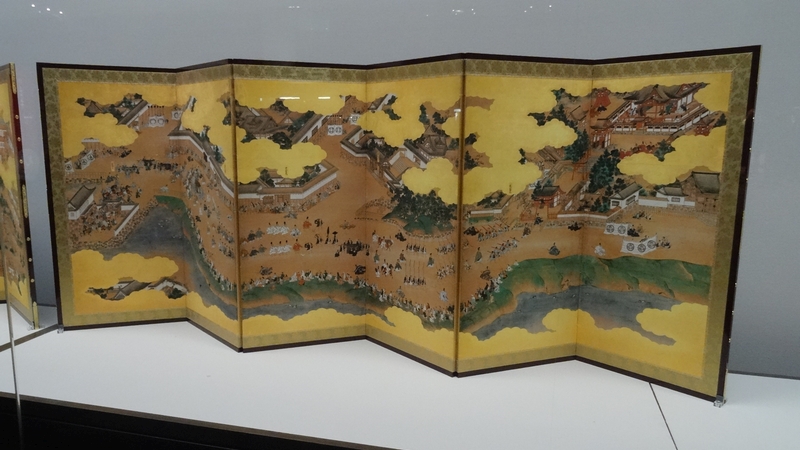
| A folding screen depicting Tokugawa Ietsuna, the fourth Shogun of the Tokugawa dynasty, on his visit to Hie Sannosha Shrine in 1642. |
 |
| The sugoroku which showed the wearing procedure of the armor. So basically it's a series of pictures telling how to dress. |
 |
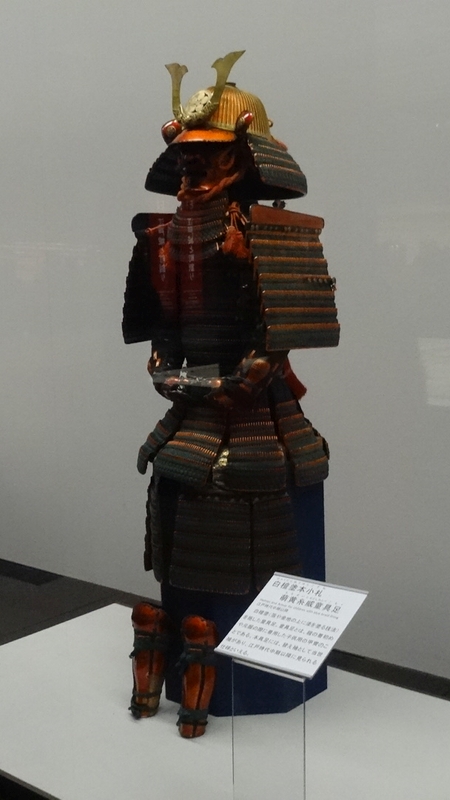
| Armor and helmet for a child. Seriously, a child's armor? What kind of dynasty were they running? |
 |
| Swords. |
 |
| A picture scroll of the shogunate great procession for Kyoto. |
 |
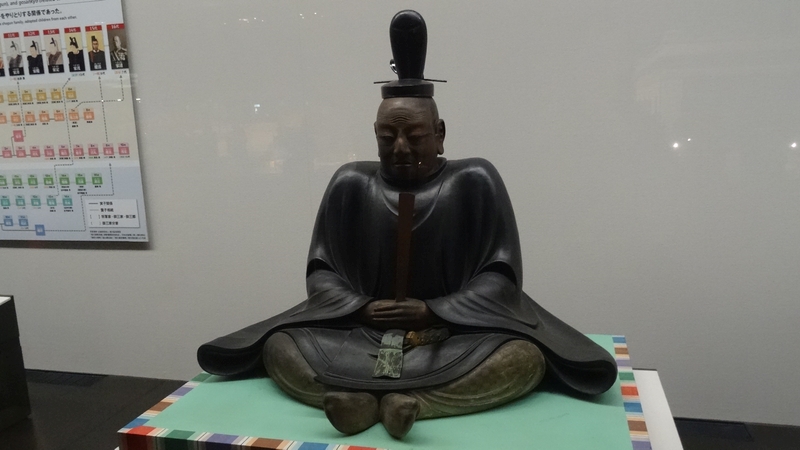
| A wooden life-sized statue of Tokugawa Ietsuna, the guy from the folding screen earlier. |
 |
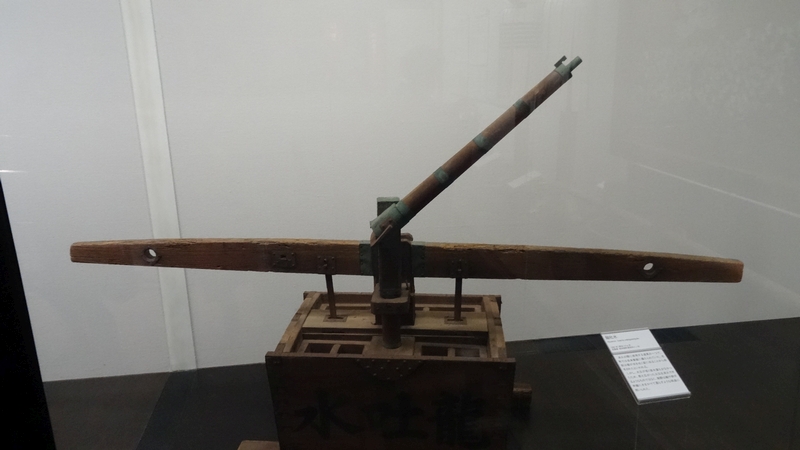
| Ryudosui, tools for extinguishing fire. This one's for you, Nigel. |
 |
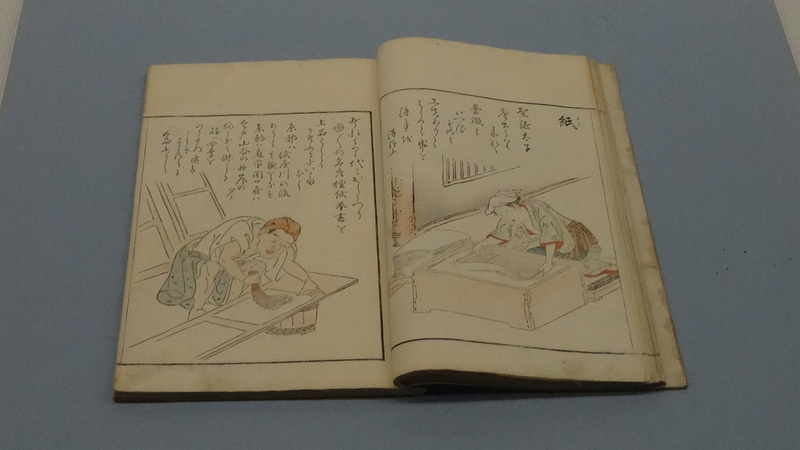
| The sign says that this is a publication of a variety of occupations from 1770. I can't quite tell what the occupations pictured are. |
 |
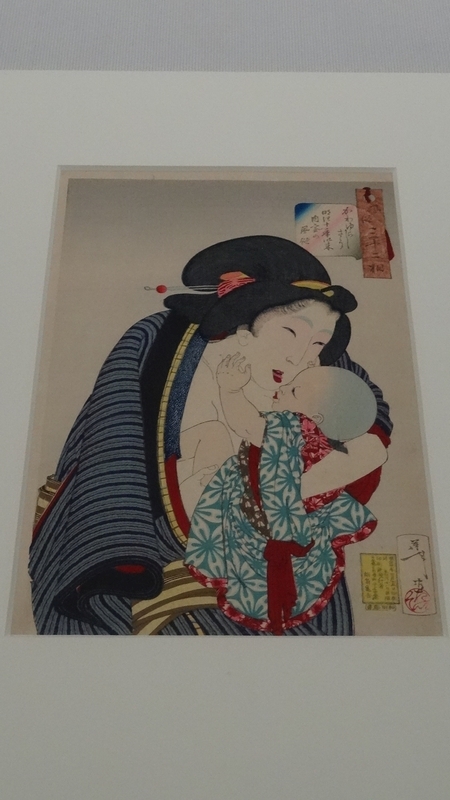
| A color woodblock print of a mother and babe of the Edo era. |
 |
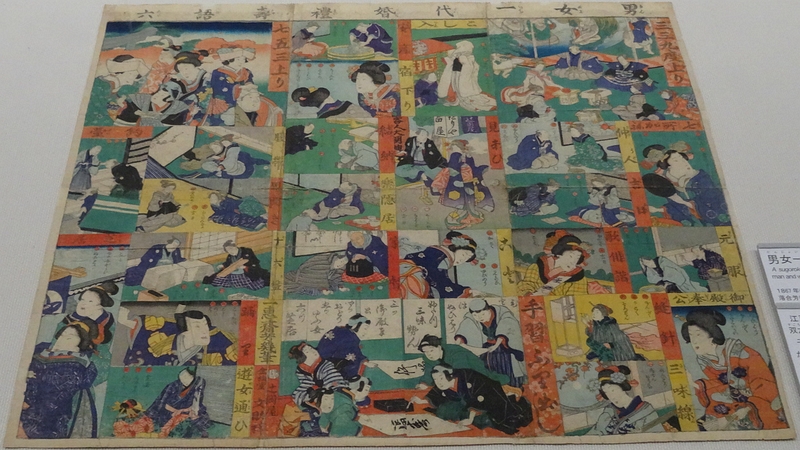
| A sugoroku depicting the life of the man and woman. A sugoroku is a kind of board game. |
 |
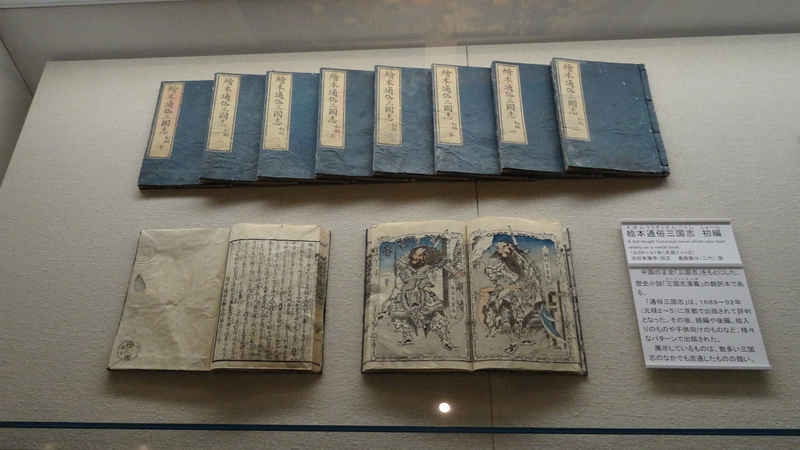
| This is a full-length historical novel that was read widely as a rental book in the first half of the 19th century. That's almost two hundred years of a library late fee. |
 |
| A model of a portable shrine for the Kanda Festival. |
 |
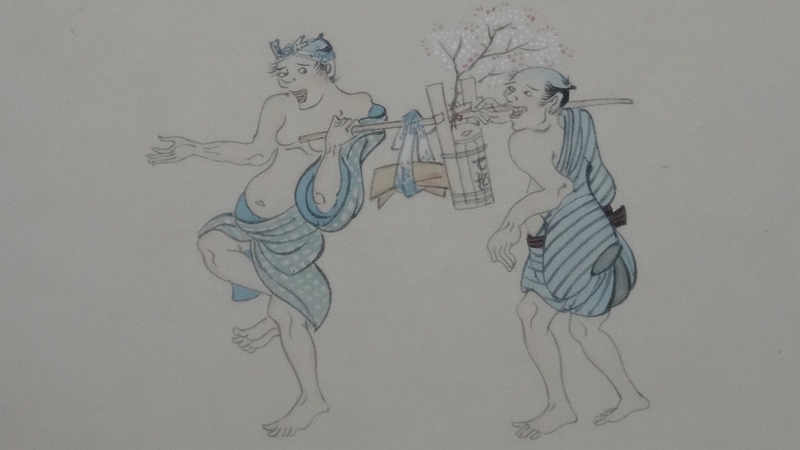
| While no one came right out and said it, everyone knew that Bruce and Steven were the gayest guys in Japan. |
 |
| This is a reproduction of a Showa era house. This particular model is set to 1954 when electrical appliances were not yet in common use. |
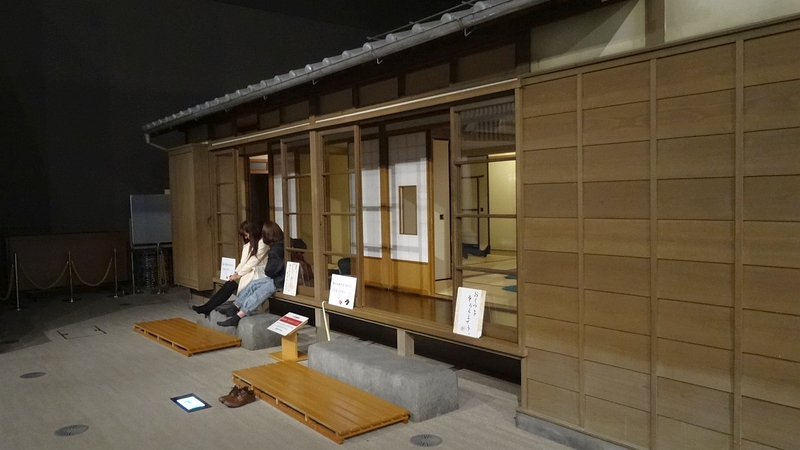 |
| I don't know why the Japanese took so long to catch on to some Western technology like chairs and forks. |
 |