DAY 5 - DACHAU

DACHAU PALACE, CONCENTRATION CAMP
DAY 5 - DACHAU
DACHAU PALACE, CONCENTRATION CAMP
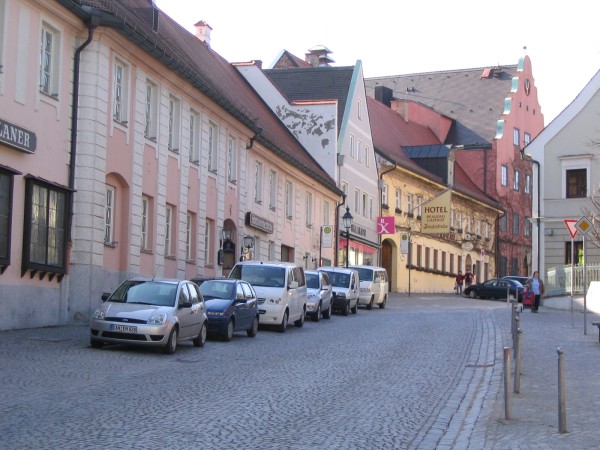
| I walked a whole hell of a lot on this trip and today was no exception. This is Münchnerstrasse. I was headed toward the old center of town from the train station. |
 |
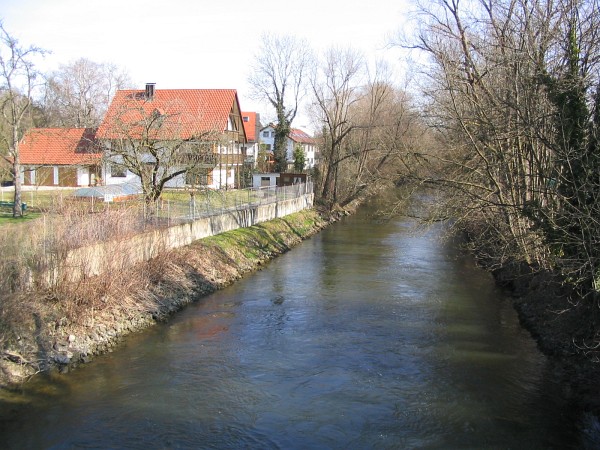
| The Amper River. |
 |
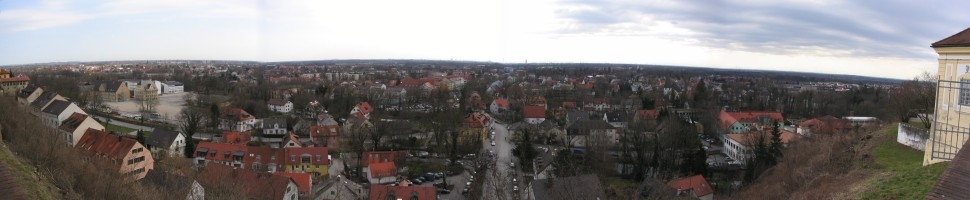
| The first visit of the day would be the palace. It's on the top of a hill. |
 |
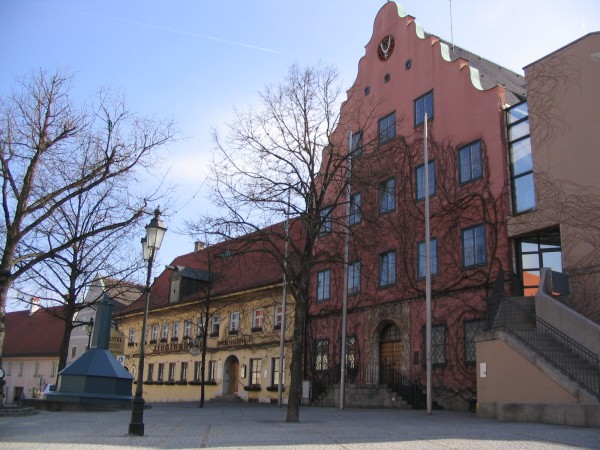
| Here is the old Dachau Rathaus. Geez, there are rats all over the place in Germany. Good thing they built houses for them. |
 |
| There is not much left of the palace at Dachau, just this one remaining wing. I couldn't go inside because I found out shortly after I arrived in town that it was closed on Mondays. Oh well. Like I said before, when you've seen one palace... |
 |
|
|
|
| A narrow street near the palace. |
 |
| She is a triumph indeed! |
 |
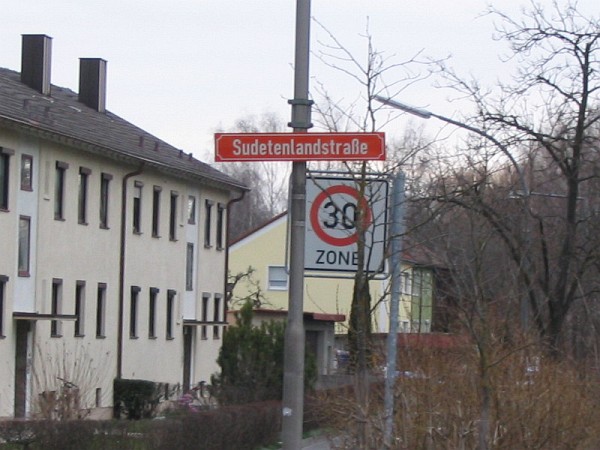
| I wonder if this street was part of the Munich Agreement too. If you don't get that joke, study your history. If you still don't get it, maybe it wasn't that funny to begin with. |
 |
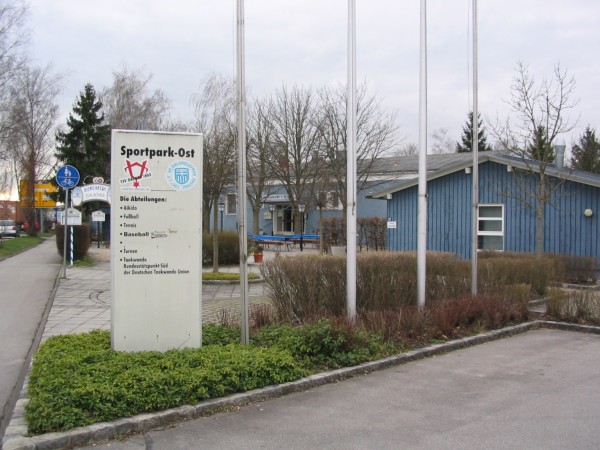
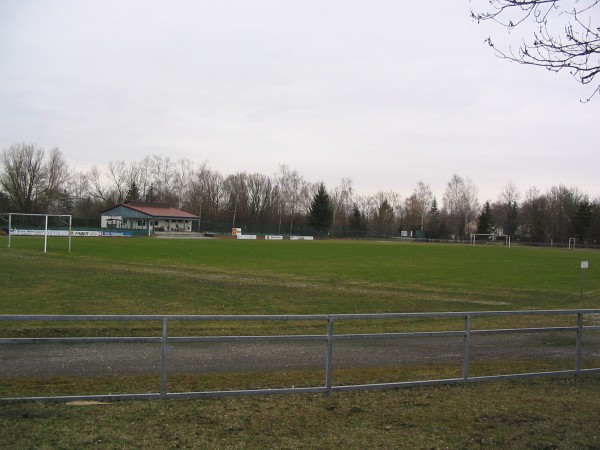
| On the long walk from the palace to the concentration camp I passed the Sportpark-Ost. It is home to a couple of athletic clubs, TSV Dachau 1865 and A.E. Galanolefkos Dachau. |
 |
| Here is their home pitch. It's not that different than what the Nashville Metros have at Ezell Park. |
 |
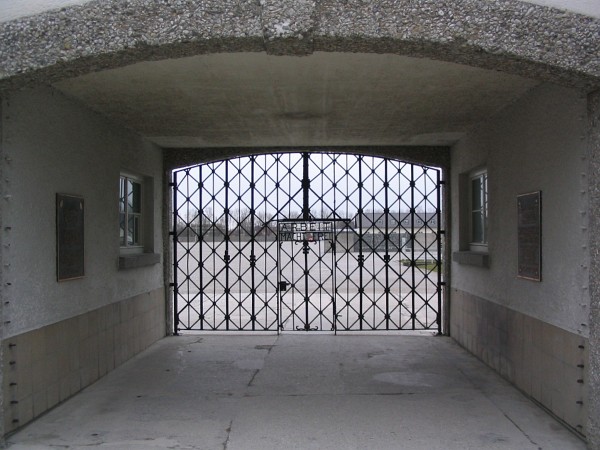
| Now for the depressing, somber part of the trip. A visit to the Dachau concentration camp. The weather was appropriately overcast, damp and gloomy. Here is the entrance and guard building. |
 |
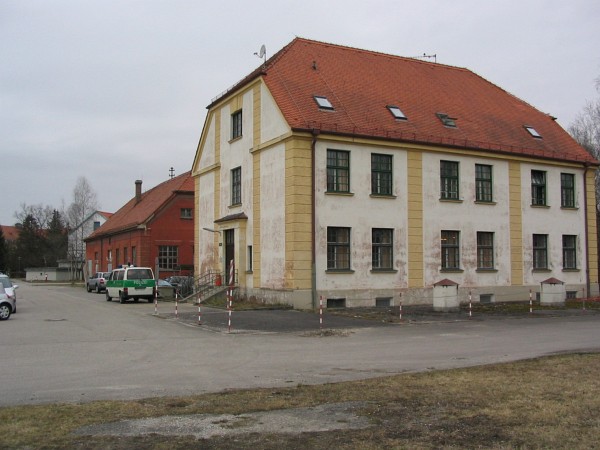
| This was the old commandant's headquarters. It is now used by the Bavarian police. |
 |
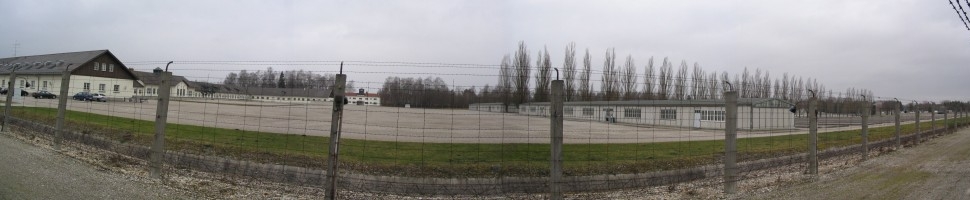
| I was more than a little annoyed to find out that the camp was also closed on Mondays. My guide book said it was open daily. But there were things in the area I could see as well. I just couldn't get inside the gate and see the interior of the camp and memorial. The irony did occur to me that this gate and the walls surrounding the complex were built to keep their victims inside and now they were keeping me out. |
 |
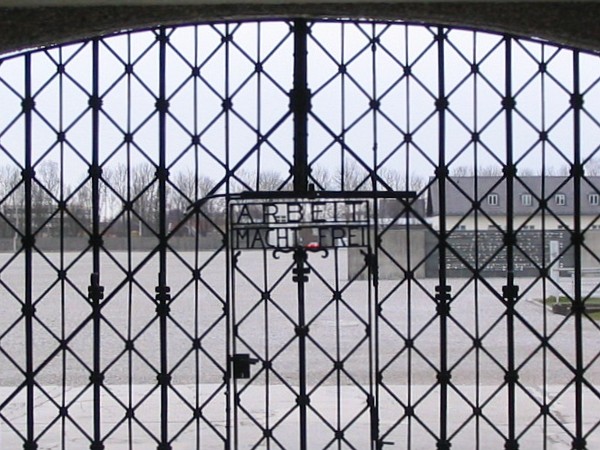
| "Arbeit macht frei" means "Work brings freedom" (literally "work makes free"). It was placed at the entrance to several of the Nazi concentration camps. I always think of it as kind of a little Nazi joke, displaying it at a camp where people were forced to work until they dropped dead from exhaustion. |
 |
| One of the corner guard towers. |
 |
| The camp maintenance building. |
 |
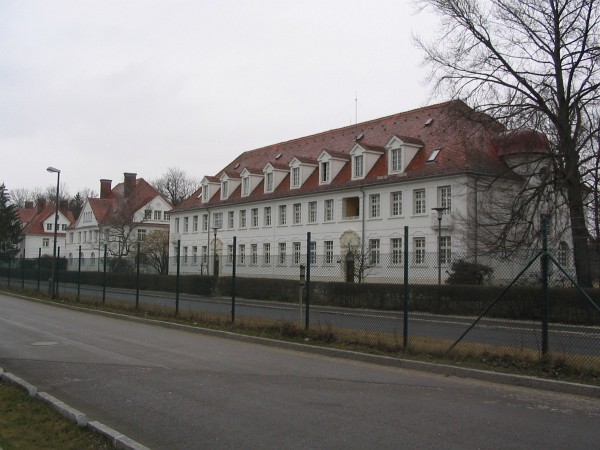
| Walking along the Pater-Roth-strasse, formerly the Strasse der SS, you can see former SS barracks that once held lodging, administrative offices and workshops. It is also now property of the Bavarian police. |
 |
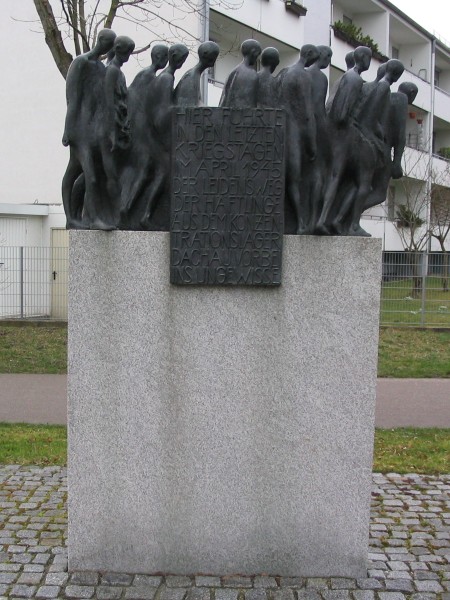
| On April 26, 1945, as the Allies were approaching Dachau and the liberation of the concentration camp was close at hand, the SS drove almost 7000 prisoners on foot from the camp southwards. Several thousand of them died. This stands as a memorial to those who lost their lives on that forced march. |
 |
| This is the street where the memorial stands. I'm not sure, but it is possible this is one of the streets down which the poor souls were sent on their death march. It looks nicer now. |
 |
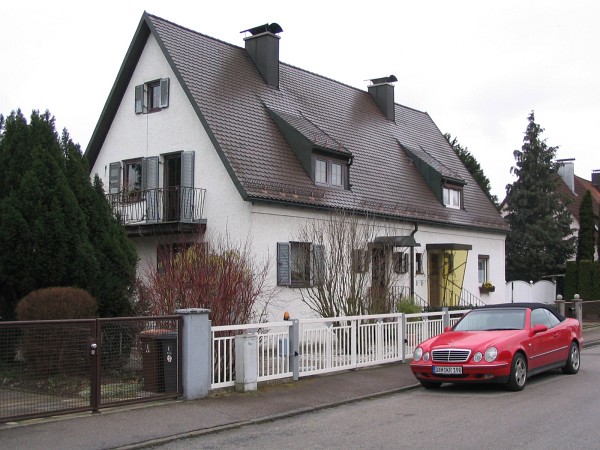
| A house. A red car. Not much else to say here. |
 |
|
|
|
|
|
|
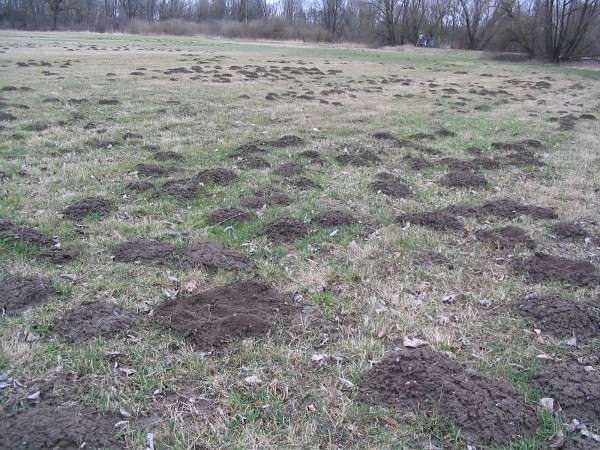
| I kept seeing these little mounds all over the place in Germany in parks and fields. Jan told me they are mouse holes. His dogs love to chase the mice. |
 |
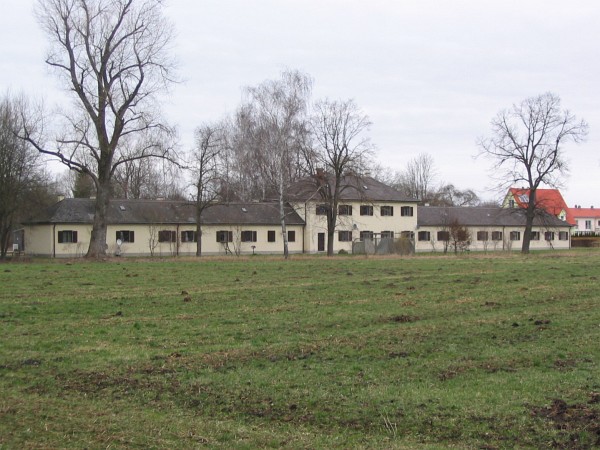
| This is the guardhouse at the former SS shooting range, which is now used by the City of Dachau as a homeless shelter. It is actually in Hebertshausen, a municipality just north of Dachau. It was a long and tiring walk up there. Of course having just seen the memorial for the death march, I didn't really have much to complain about. |
 |
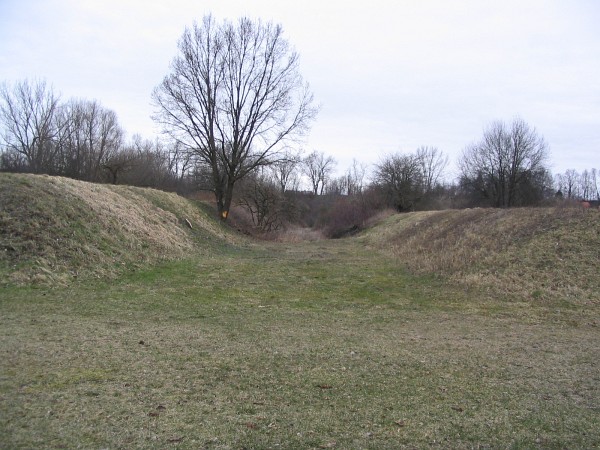
| One of the long shooting lanes. Hey, even evil monsters need to practice. |
 |
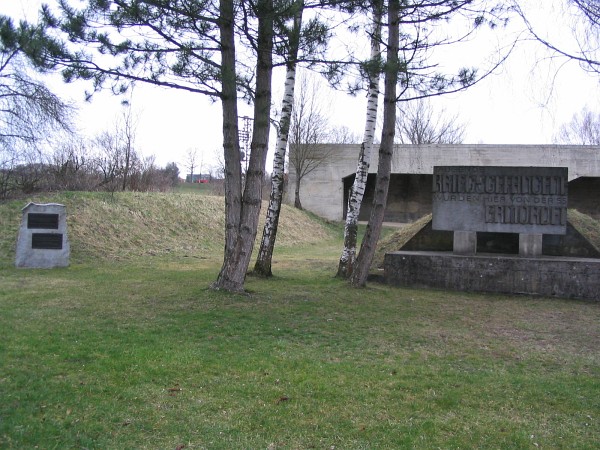
| It was on this spot that approximately 4000 imprisoned Soviet soldiers were executed between 1941 and 1945 in violation of Geneva Convention. |
 |
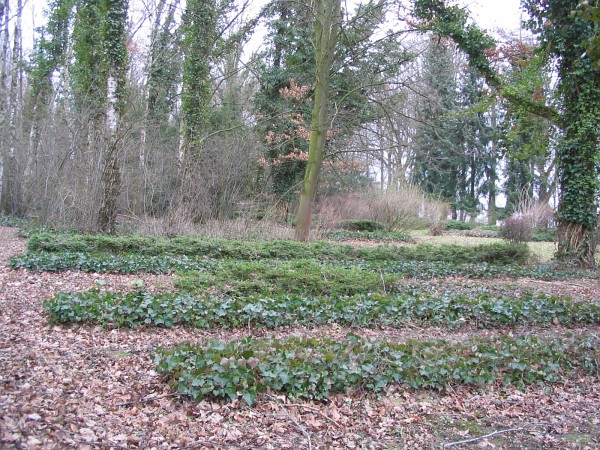
| When a coal shortage meant that the crematoria at the camp could not be operated, the leadership issued orders that mass graves be dug on a hill called Leitenberg. |
 |
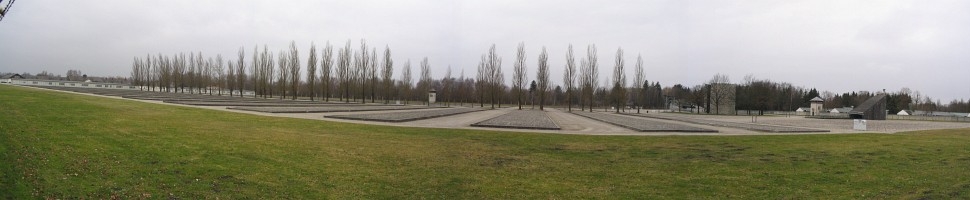
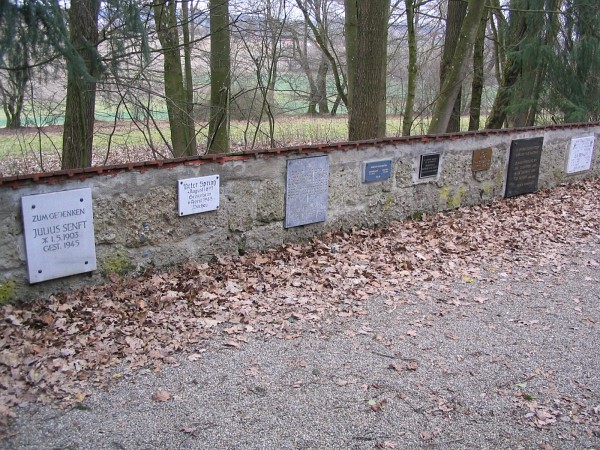
| A total of 7609 dead are buried at the camp cemetery. Only 204 are known by name. Some of those known victims have markers on this wall. |
 |
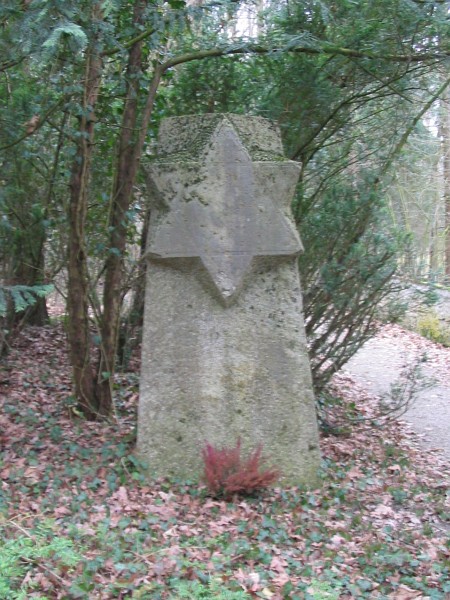
| A stone marker memorializing the Jewish people buried at Leitenberg. It should be noted that not all buried here were Jewish. There were plenty of other victims of the mad Nazi regime. |
 |
| After all the walking, I was happy to see this little blue building. I knew I could catch a train to the main station and then another back to Munich. |
 |
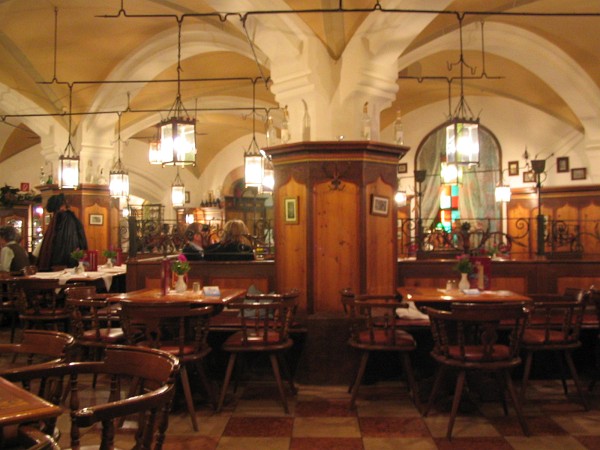
| After a few days of non-German dinners, I decided it was time for German food again. So I ate at the Ratskeller Restaurant, located in the cellar of the Neues Rathaus, hence Ratskeller. |
 |
| It was wollwürste, a veal sausage without skin, for dinner and apfelkuchen, an apple cake, for dessert. |
 |
DAY 6
THE FLIGHT HOME
| So now we say goodbye to Germany. |
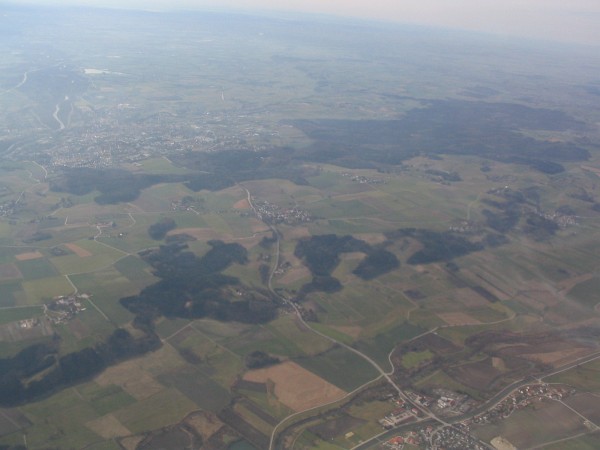 |
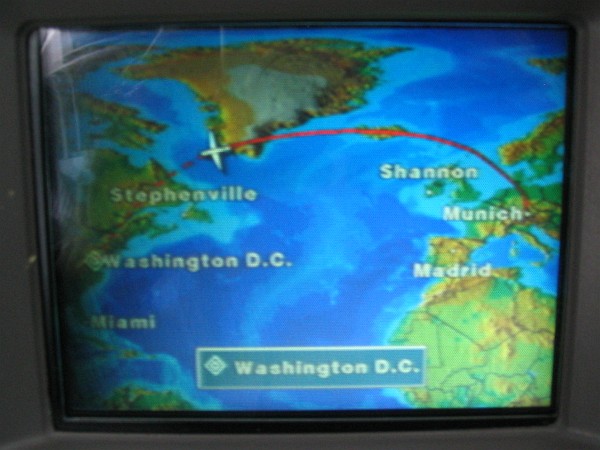
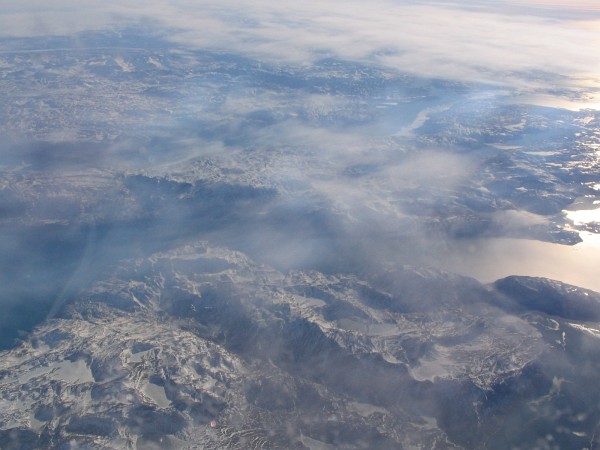
| We were about here on the trip when I saw several people in the aisle behind me looking out the window. I open my window shade and took a look down at... |
 |
|
...Greenland. This is just on the coast. Lots
of mountains and ice. I'd never seen Greenland before, so it was kind of
neat. And that's all he wrote. |
 |