TUESDAY - MACAU
MACAU
TUESDAY - MACAU
MACAU
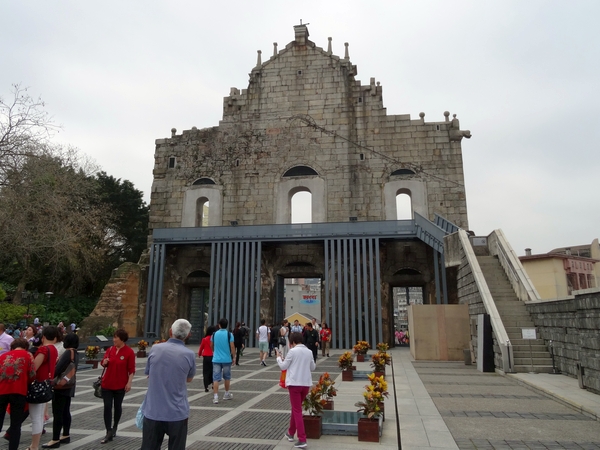
| One of the most popular tourist sites in Macau is the ruins of the Church of St. Paul's. I was sure I would have gotten a picture of someone taking a selfie in this picture but I can't see any. Seriously, I don't know what the deal is with people and selfies, particularly with those stupid selfie sticks. |
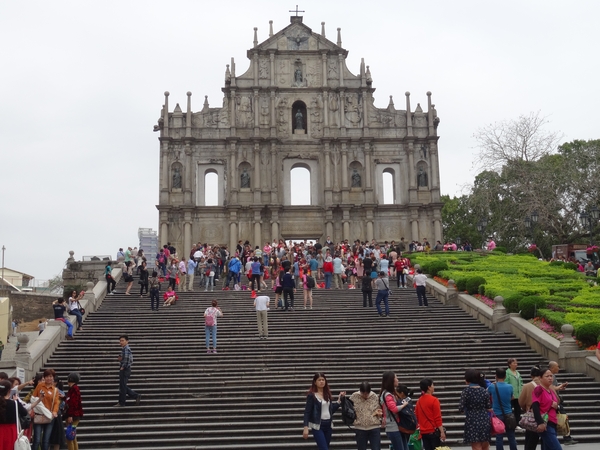 |
| Really all that remains standing is this magnificent facade. |
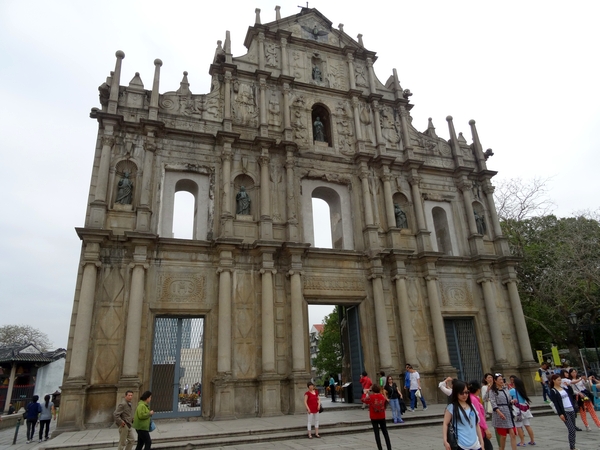 |
| The back is significantly less spectacular. |
 |
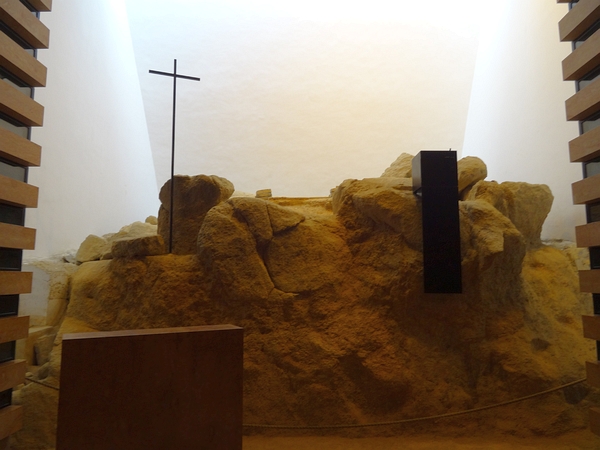
| Beneath are the remnants of the crypt. |
 |
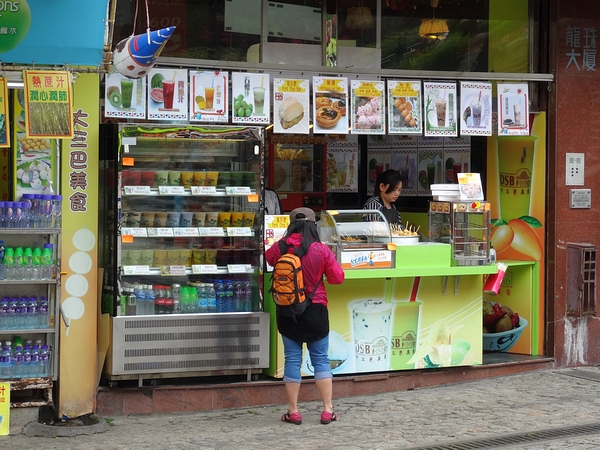
| Time for a snack. This was right next to St. Paul's. |
 |
| I had two Portuguese egg tarts (the sign on the right) and a mango juice (the sign on the left). |
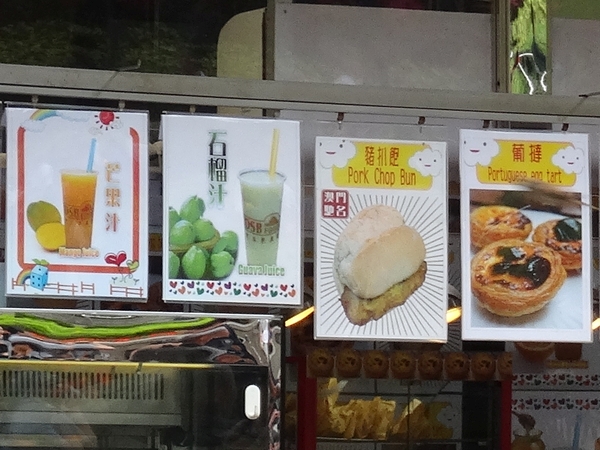 |
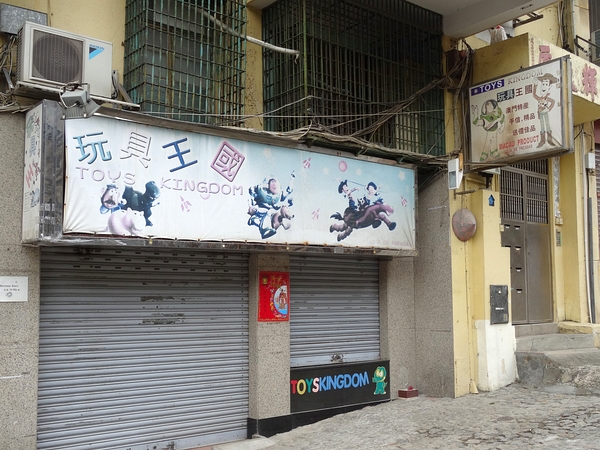
| Somehow I don't think Disney okayed the use of these images. |
 |
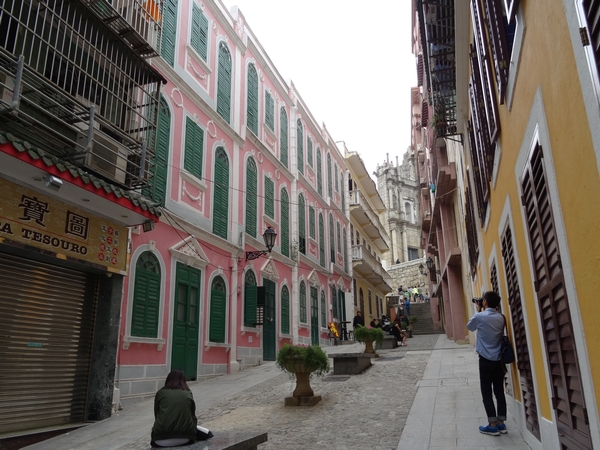
| Another fancy looking colonial building. That other guy taking a photo likes it too. |
 |
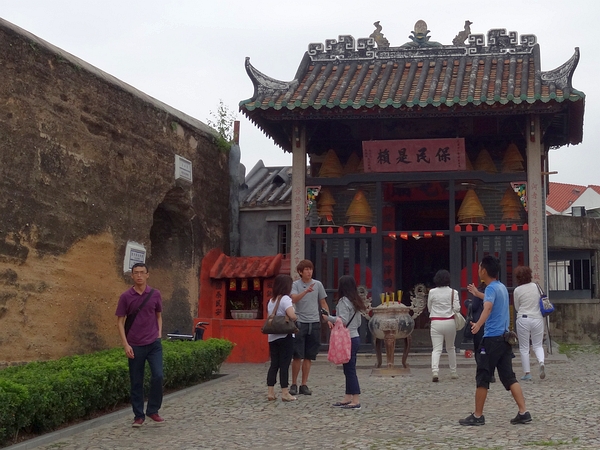
| Behind the ruins of St. Paul's is the Na Tcha Temple. |
 |
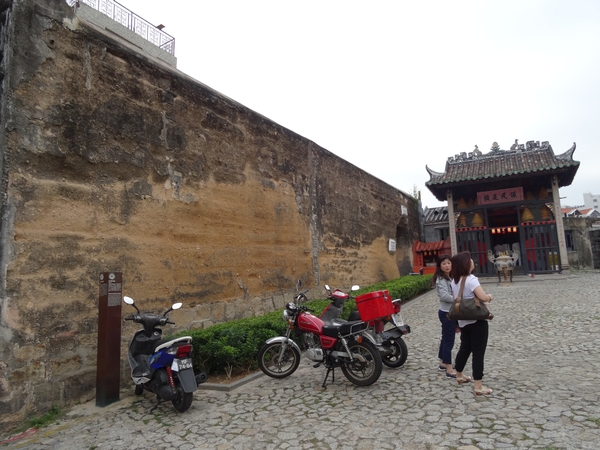
| Next to the temple is a section of the old city wall that surrounded the city in the 16th and 17th century. |
 |
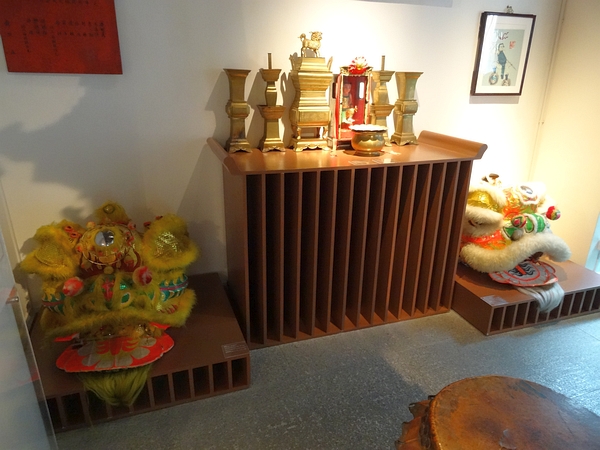
| There is a little exhibit of Chinese things near the wall and temple. Look at the severed dragon heads. |
 |
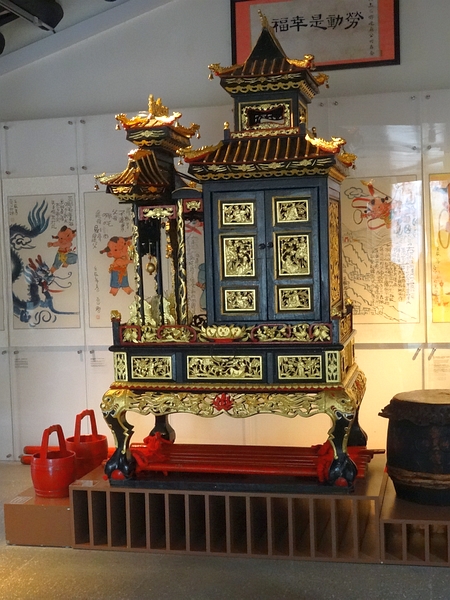
| I didn't take note of what this is, so use your imagination. I'll give you a hint. It is Chinese. |
 |
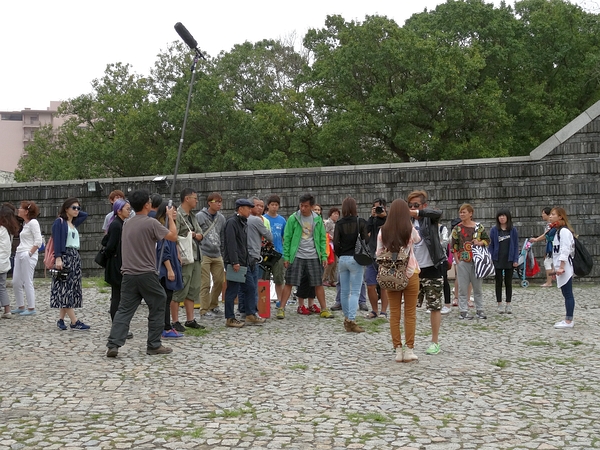
| They were filming something near the temple. |
 |
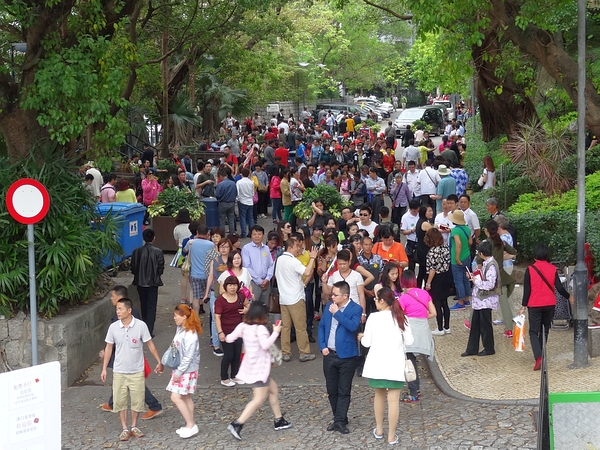
| There were lots of tour groups in the area around St. Paul's. |
 |
| The Fortaleza do Monte was a fort built in the early 17th century. |
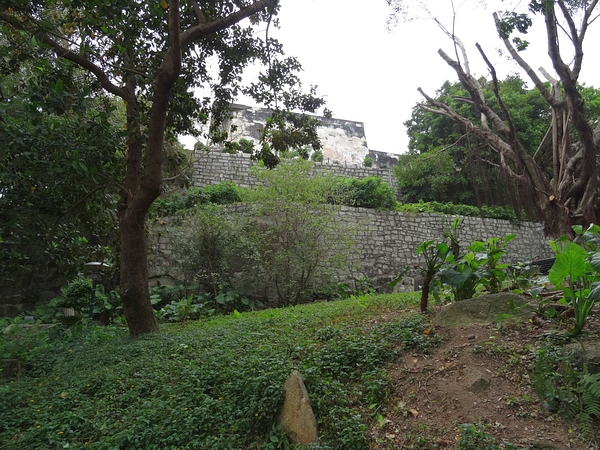 |
|
|
|
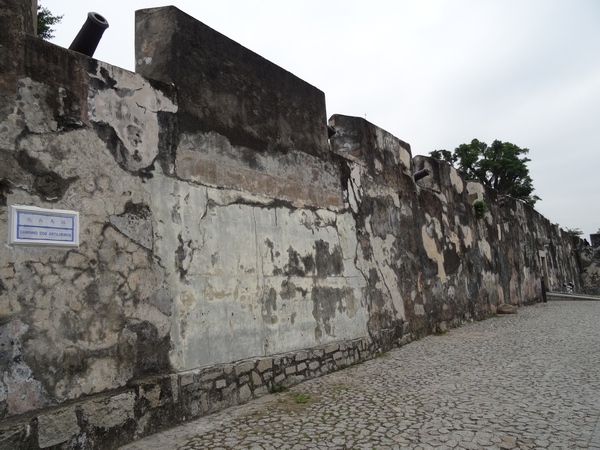
| The Caminho Dos Artilheiros, which probably translates to Gunner's Path. |
 |
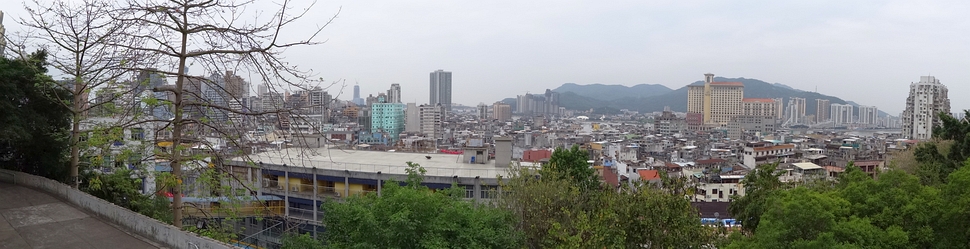
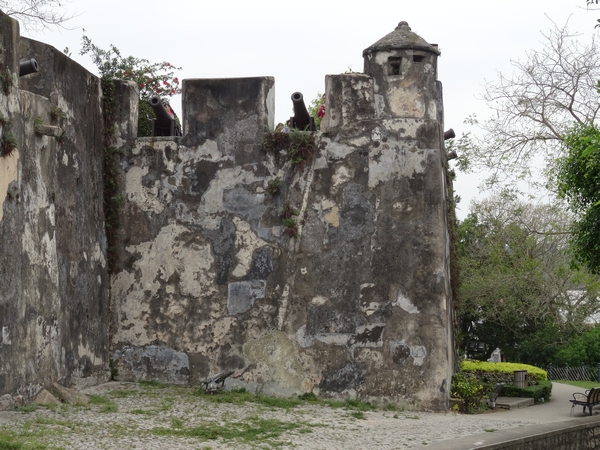
| The fort was built by the Jesuits atop Mount Hill and was crucial in the defense against an attempted Dutch invasion of Macau in 1622. |
 |
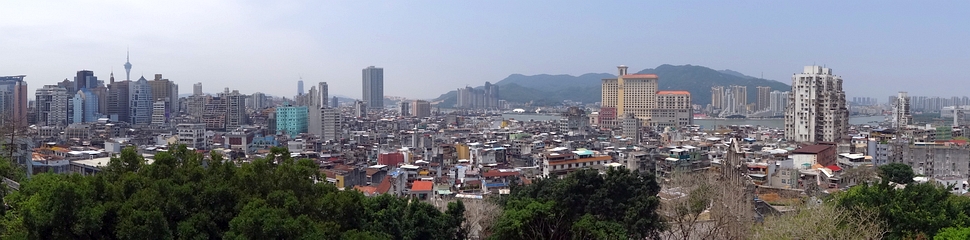
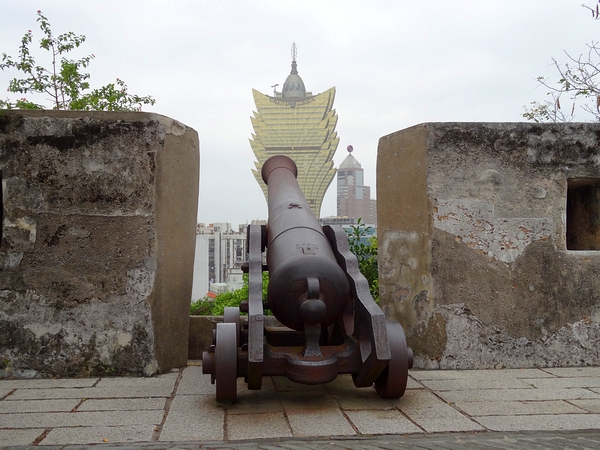
| There be the Grand Lisboa Hotel. Open fire! |
 |
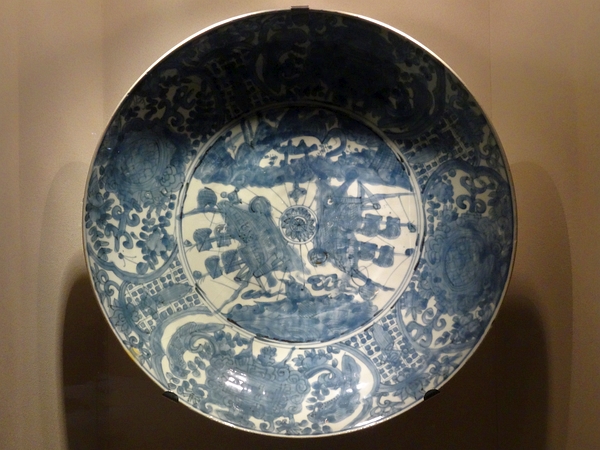
| There is a museum on top of the hill. We will now see some things in that museum. Like this old plate that dates back to the Ming dynasty. |
 |
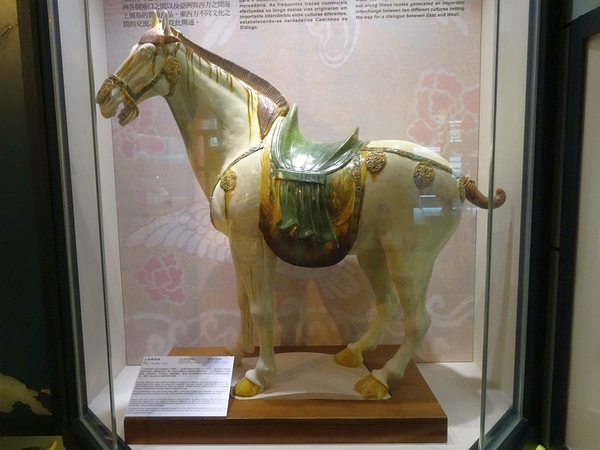
| A Sancai horse. Sancai ware was a kind of mortuary objects in the Tang dynasty. |
 |
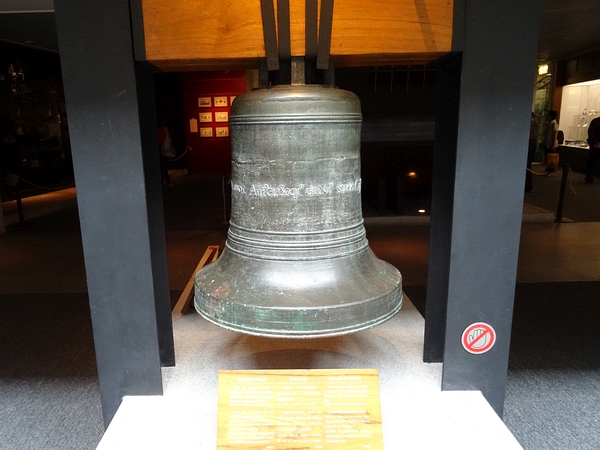
| This bronze bell was cast in 1714 for the bell tower of the Church of Mater Dei. That was the St. Paul's we saw earlier. The bell has survived better than the church. |
 |
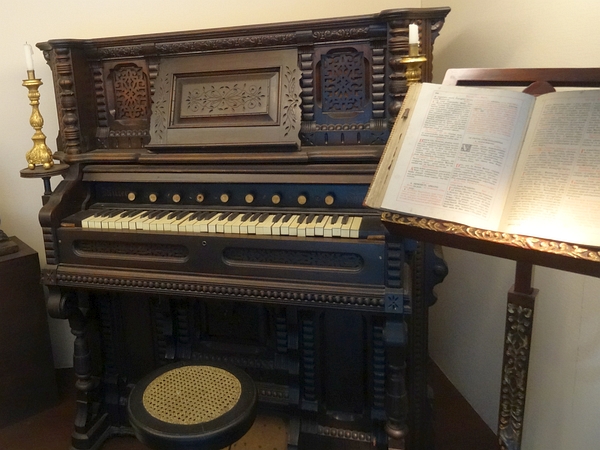
| I'd say that's some kind of organ. (That's what she said.) |
 |
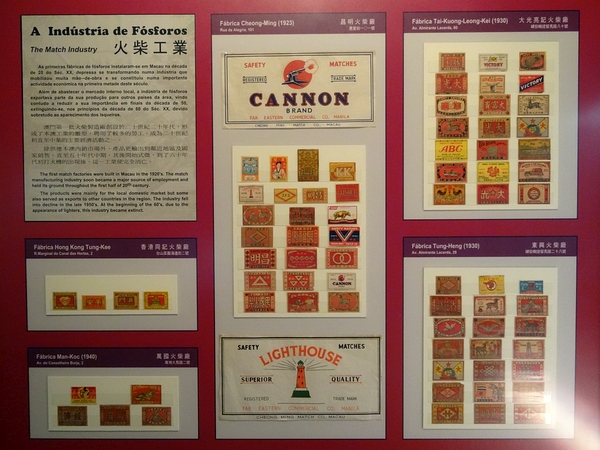
| The first match factories were built in Macau in the 1920's and the industry soon became a major source of employment in the colony. |
 |
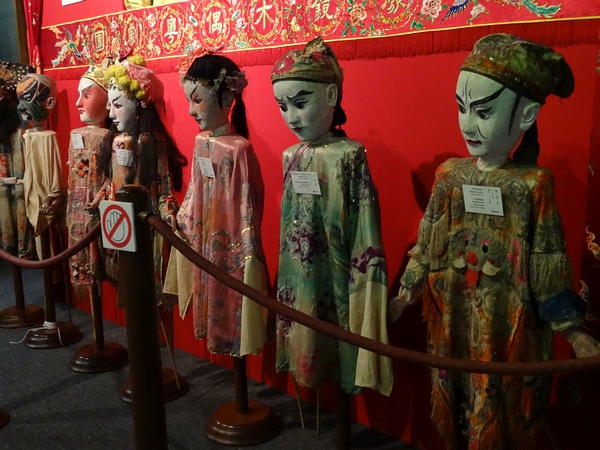
| The Puppet Theatre has existed in China since ancient times. At the beginning of the Han dynasty it was used for funerary ceremonies and gradually being introduced within banquets and other festive occasions. |
 |
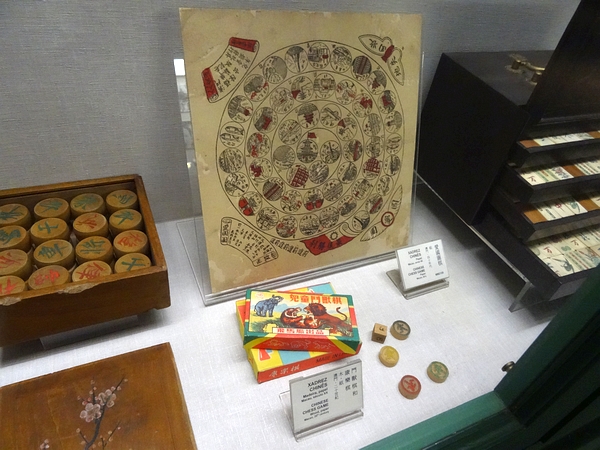
| I have heard of Chinese checkers but this is Chinese chess. |
 |
| I went over to China to pick up my Chinese mail order bride but when I got there I found out she didn't have a face. That would not have necessarily been a deal breaker but there's no telling what else she didn't have. |
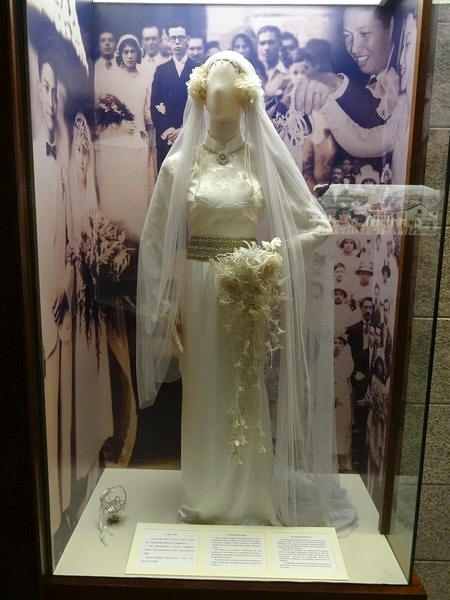 |
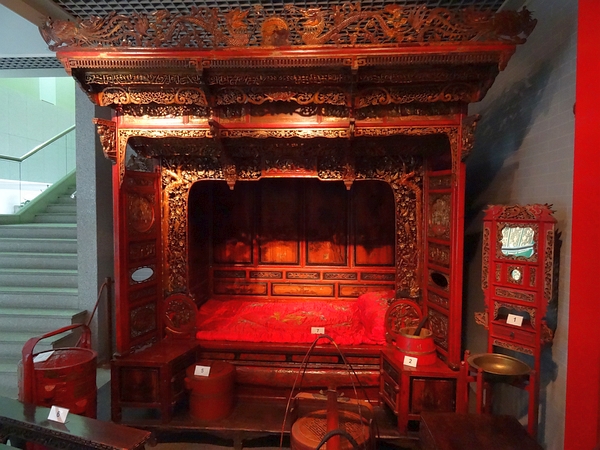
| This is a Chinese wedding bed. There is also a chamber pot. When you gotta go you gotta go, even on your wedding night. |
 |
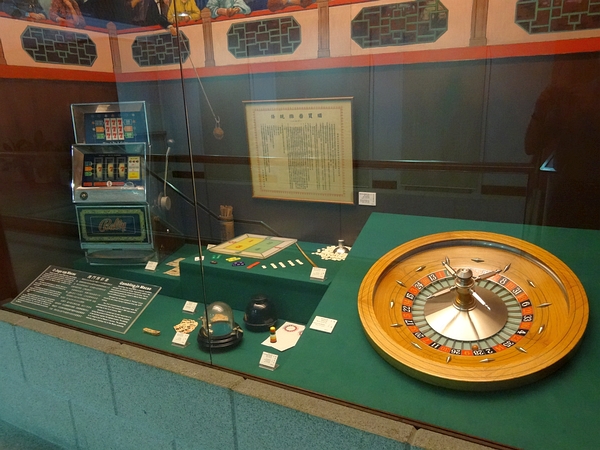
| Gambling is a big thing in Macau. It has been legal since the the middle of the 19th century and is the largest source of revenue in Macau. |
 |
|
|
|
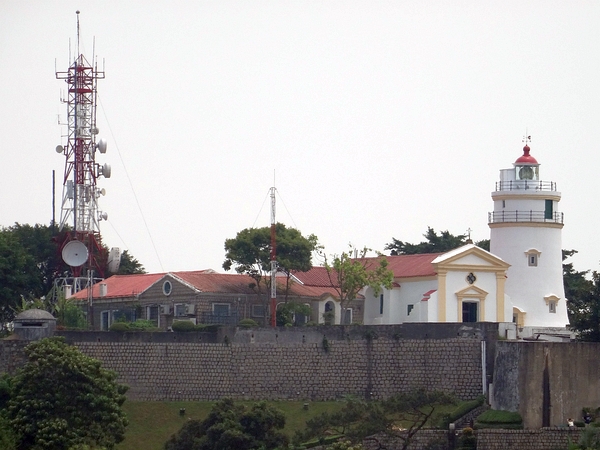
| The Fortaleza da Guia was off in the distance. I only took the photo because it looked interesting but I didn't know what it was. According to Wikipedia, which is never wrong, the Guia Fortress is a 17th century colonial military fort, chapel and lighthouse complex. The radio tower looks to be a little newer. |
 |