 TUESDAY - TOKYO
ASAKUSA
TUESDAY - TOKYO
ASAKUSA
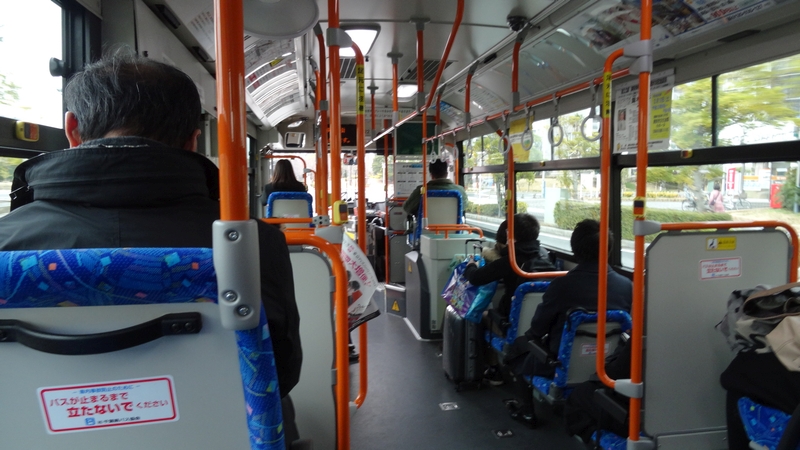
| The local bus in Urayasu stops on the street near the Stewarts' apartment complex. Lisa accompanied us for most of the day. |
 |
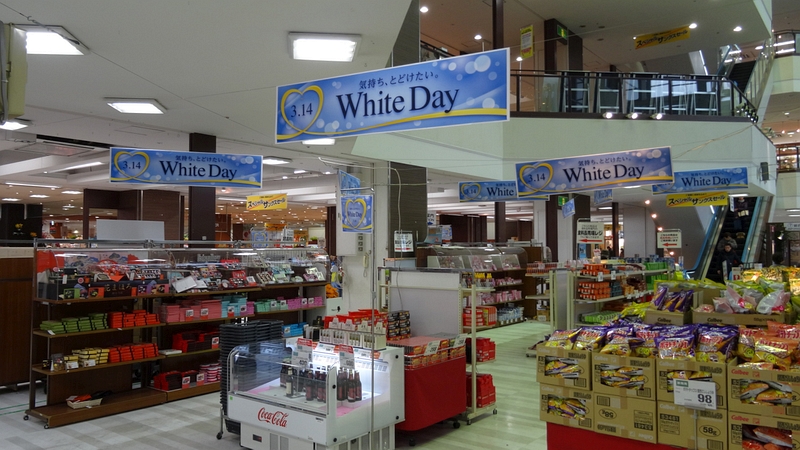
| Karen didn't bring a belt for some reason so we stopped off at a department store near the train station to pick one up. While there I bought a pair of gloves from the bargain section. |
 |
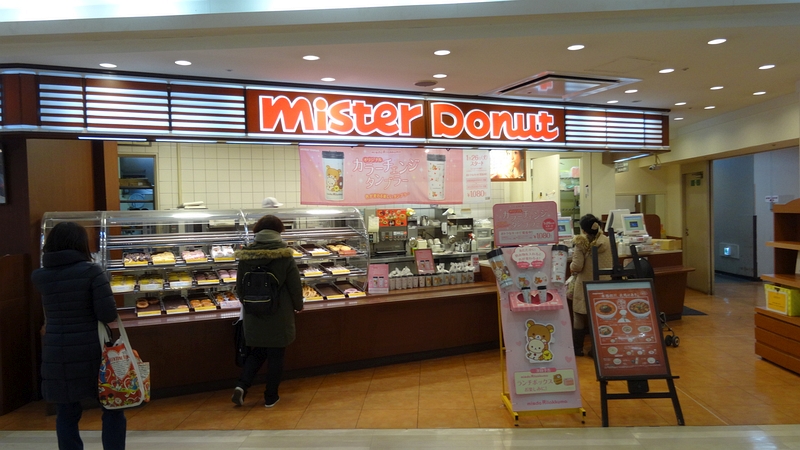
| Anyone remember Mister Donut? There was one in Fort Lauderdale that my sister and I remembered. |
 |
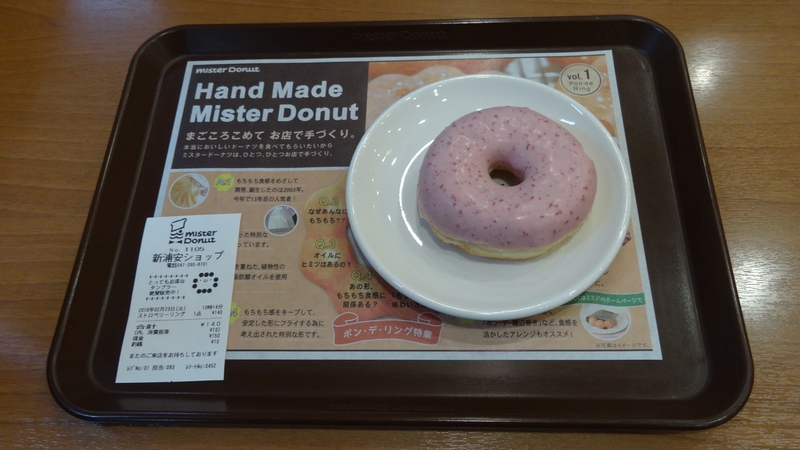
| A strawberry iced doughnut for breakfast. |
 |
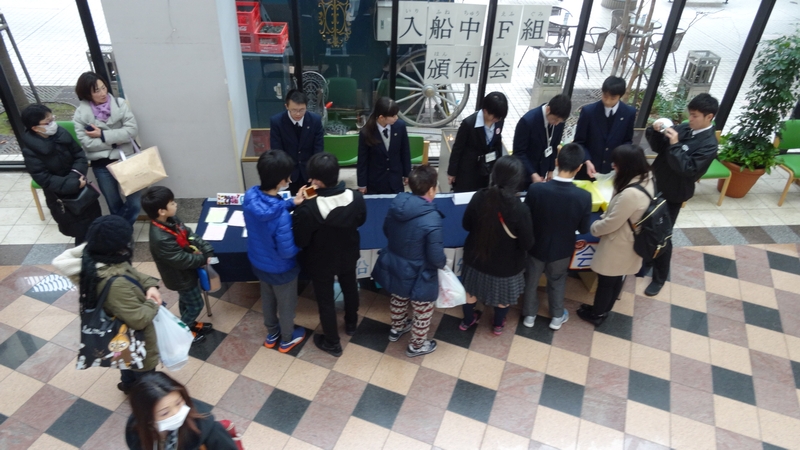
| I can't tell you what this was about, but it seemed to be school related in some way. |
 |
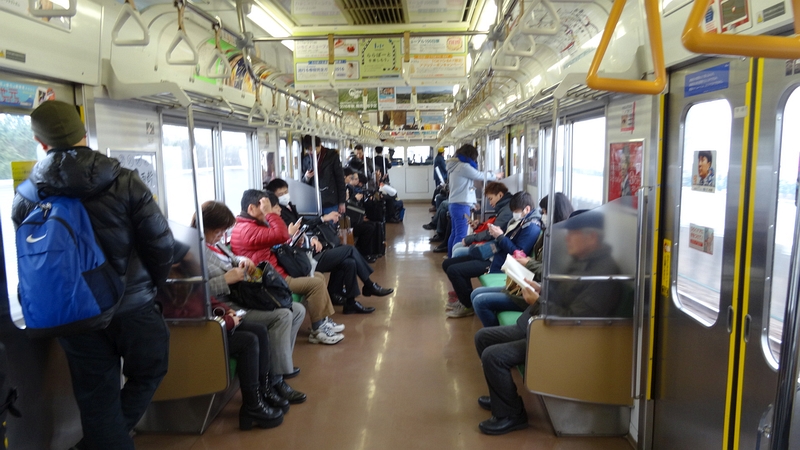
| We purchased 7-day Japan Rail passes for the trip because we were going to take a couple days away from Tokyo. All travel on JR lines were covered by the pass. The other advantage is that the train from Shin-Urayasu to Tokyo Station was a JR line so we didn't have to pay a fare. |
 |
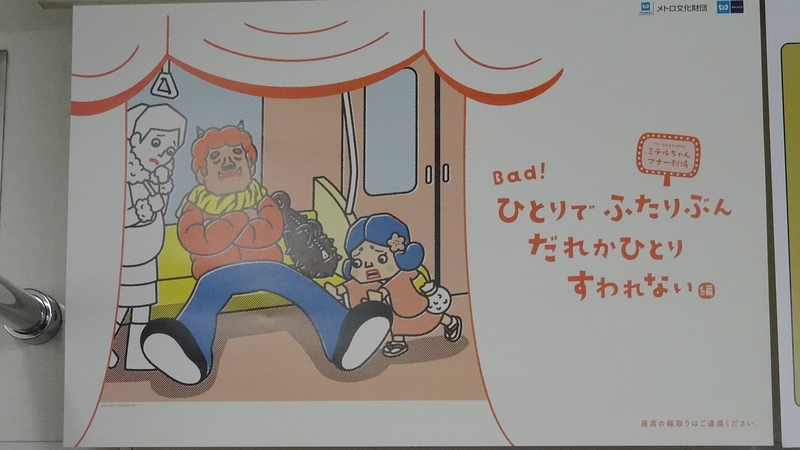
| Japanese signs can be so odd. I think this one is warning passengers about the dangers of waking a sleeping demon man on the train. |
 |
| Rickshaws lined up like taxis waiting for a fare. |
 |
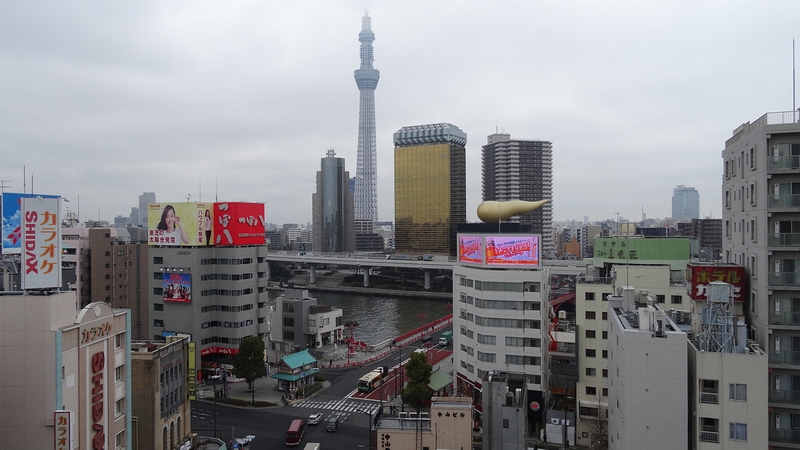
 High above Asakusa. It is another overcast day. |
|
| We're going down there in a little bit. |
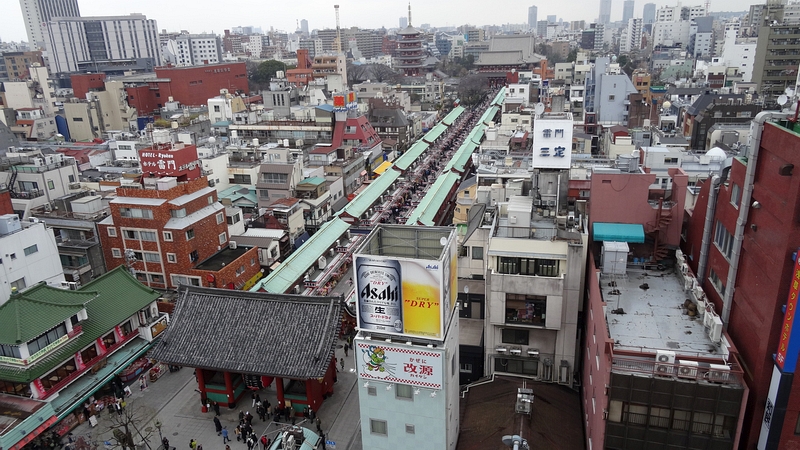 |
| Over there is the Tokyo SkyTree, the tallest tower in the world. It probably wouldn't be much of a view from the top on such a cloudy day. |
 |
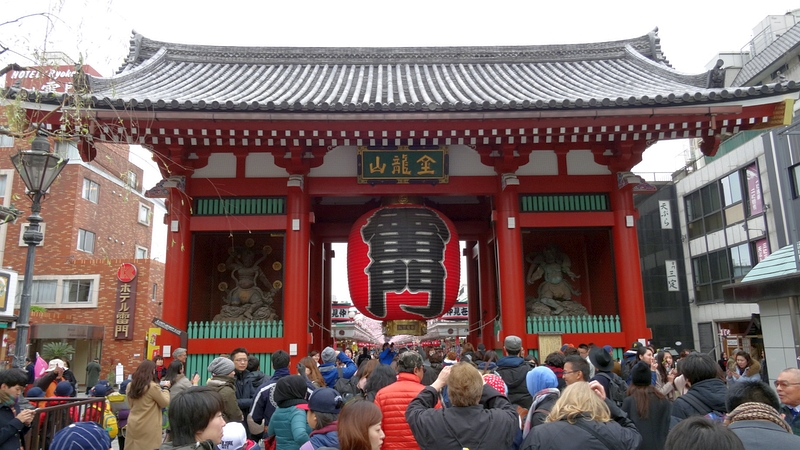
| A crowds of people all taking a picture of the Kaminarimon Gate. |
 |
|
*DUPLICATE PHOTO WARNING* It is the first of two gates that lead to Senso-ji Temple. |
 |
|
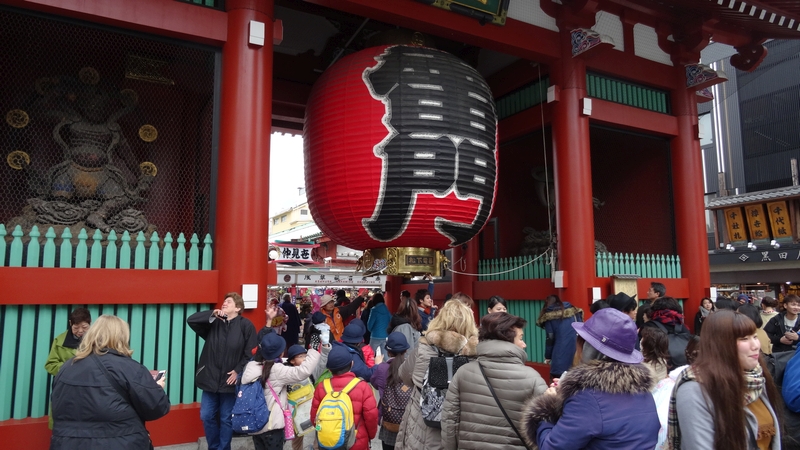
*DUPLICATE PHOTO WARNING* Nakamise-dori seems like it's always crowded. There certainly are a lot of tourists there. The little shops sell souvenirs and snacks. |
 |
|
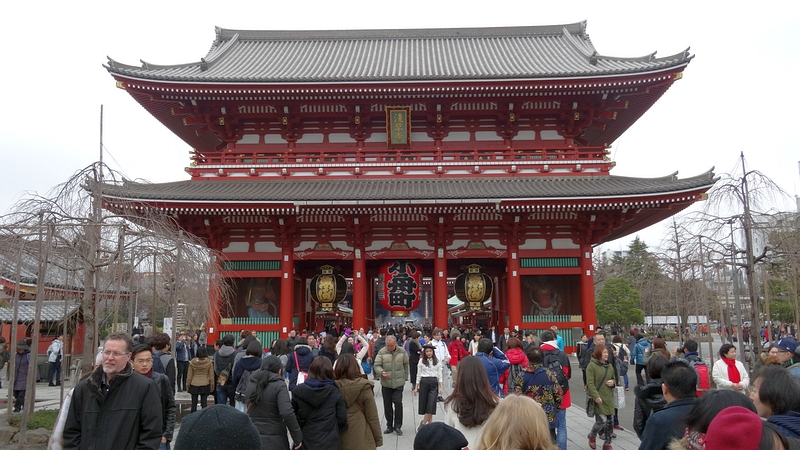
*DUPLICATE PHOTO WARNING* The second gate is called Hozomon Gate. |
 |
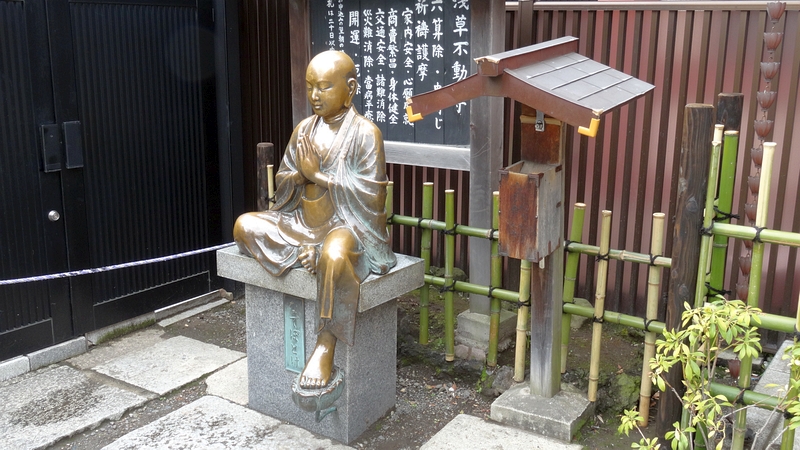
| A little statue of Buddha that appears to be rubbed quite a bit. His head, knee and foot look quite shiny. |
 |
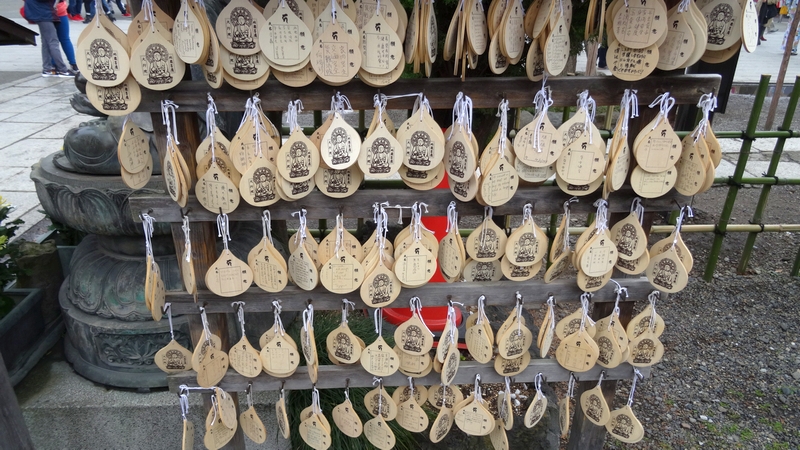
| I'm no expert on Buddhism, but it seems like it is some sort of tradition that people write things on bits of paper and wooden paddles, maybe like prayers or wishes. I can't tell you if it works or not. |
 |
|
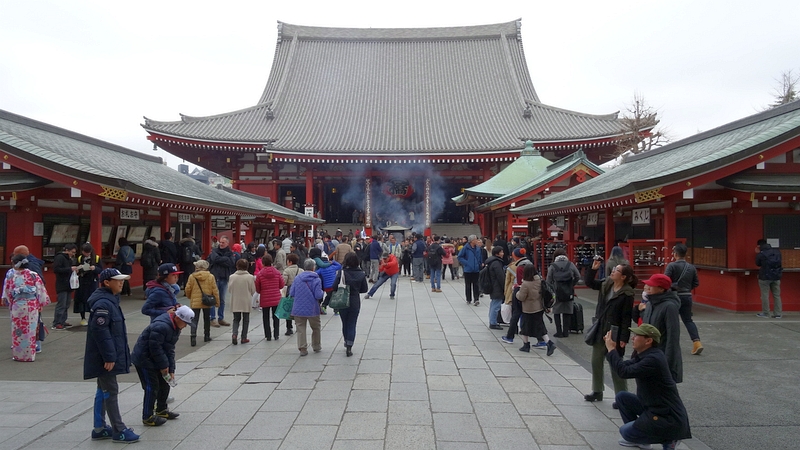
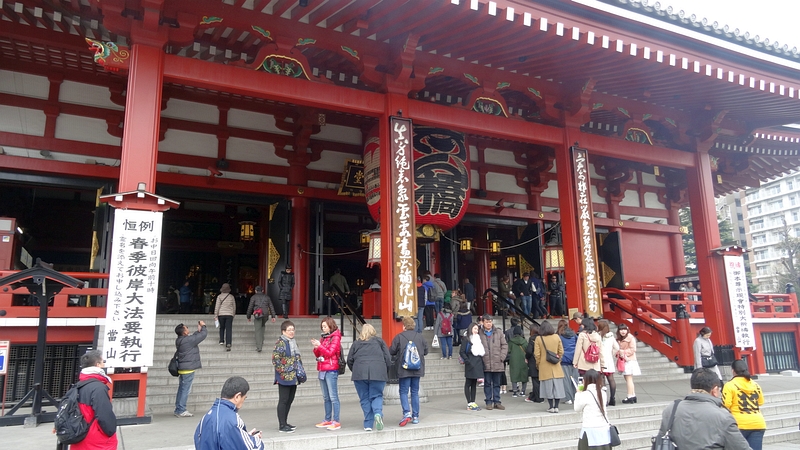
*DUPLICATE PHOTO WARNING* Senso-ji Temple. There are probably as many if not more tourists than worshipers at the temple. |
 |
|
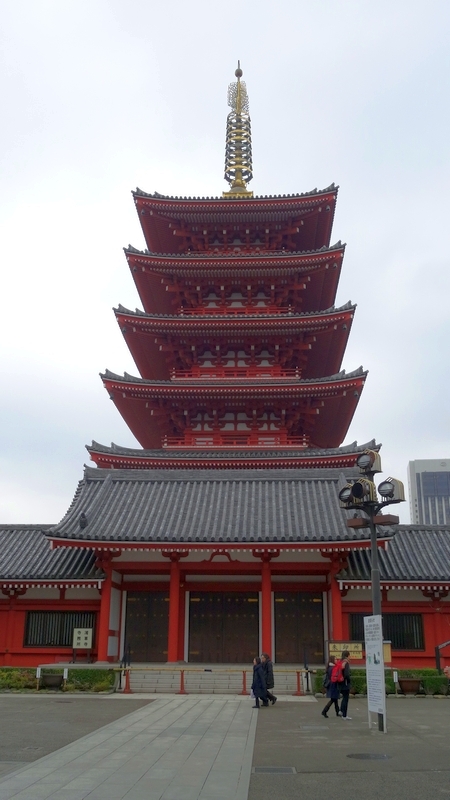
*DUPLICATE PHOTO WARNING* This five-storied pagoda has been rebuilt a couple of times, most recently after World War II. |
 |
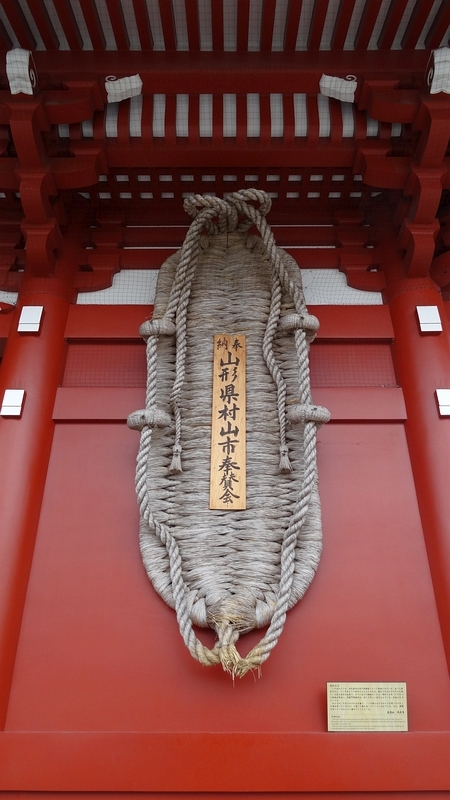
| This is one of a pair of huge traditional straw sandals called O-Waraji. They were made by 800 citizens of Murayama City in a month and devoted to Senso-ji. They are almost fifteen feet high and weigh 5500 pounds, together I would assume. They are the charm against evils because they are symbolic of the power of Ni-Ou, whatever that is. Wishing to be good walkers, many people, including myself, will touch the O-Waraji. But I am already a good walker, so I don't know if it helped. |
 |
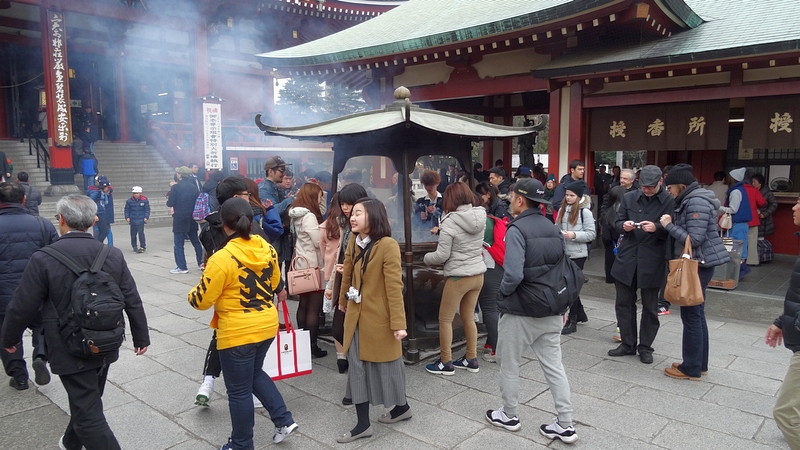
| Japan is a big market for cigarette companies, but those who don't smoke tobacco can always get a lungful of smoke at the temple. |
 |
| It was shortly after this point in my visit to Senso-ji on my previous trip that my camera went kaput. |
 |
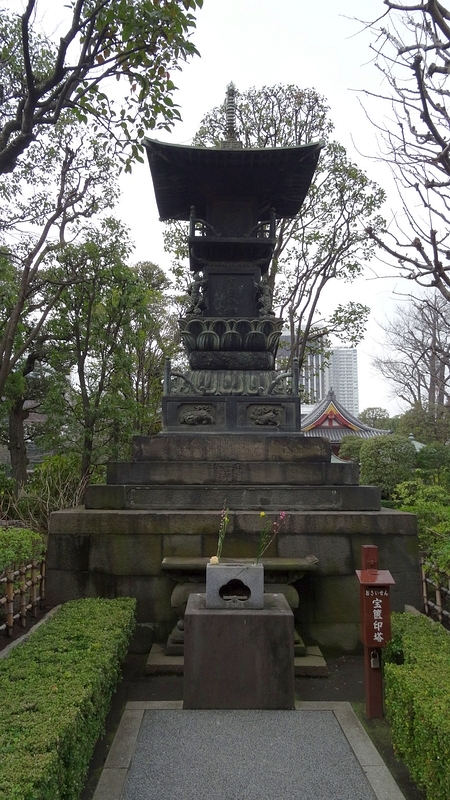
| But this time I did not befall such a fate, so I got to see what else was around the temple. |
 |
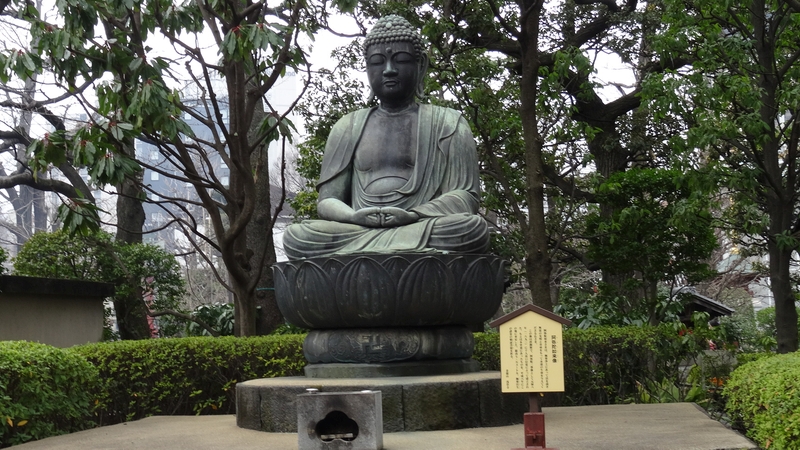
| Another Buddha statue. This one looks older that the other one. |
 |
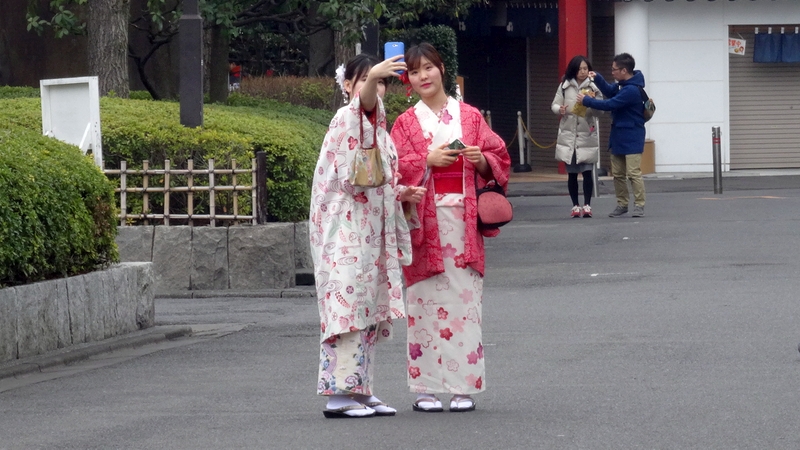
| There were a few women in traditional Japanese clothing around the area. These two were taking a selfie. A clash of old and new. |
 |
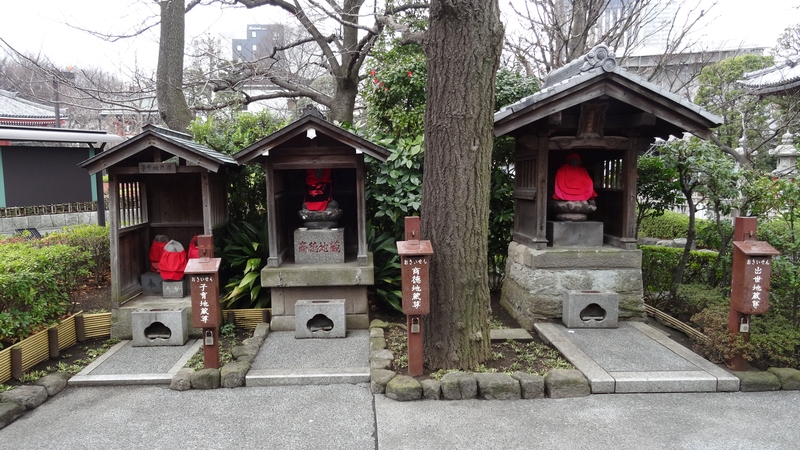
| Three little temples. |
 |
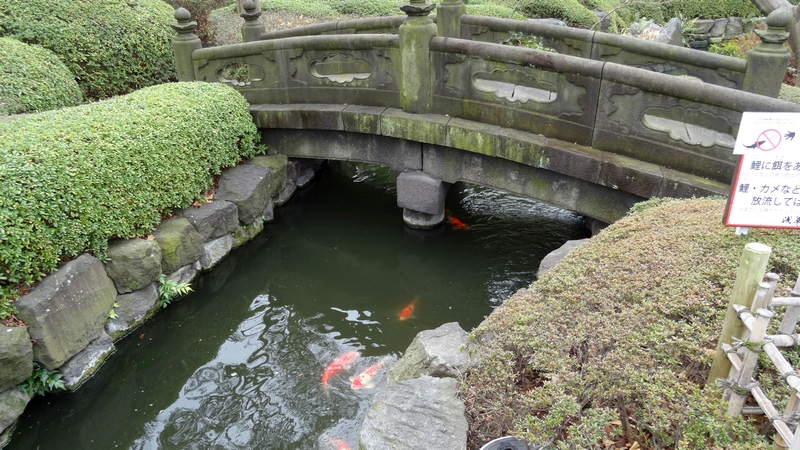
| If I were my father I would make some sort of bad pun about koi. But I am not and I won't. |
 |
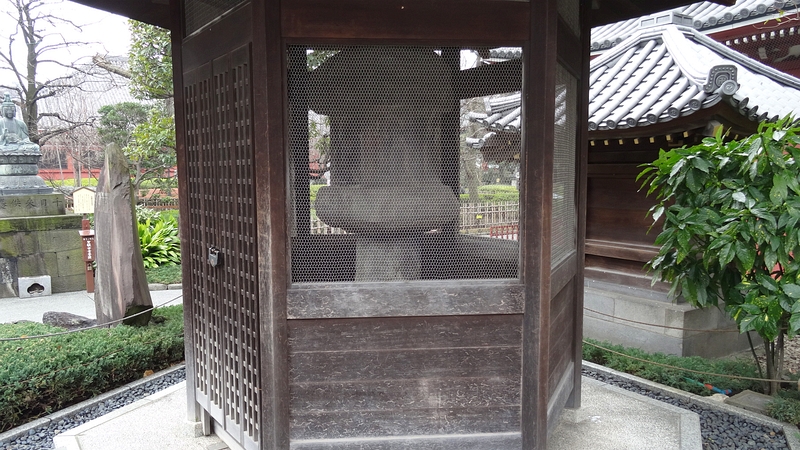
| Rokujizo Ishidoro, the Stone Lantern of Rokujizo. It was moved to its current location in 1890 but is said to have been built in 1146, 1150 or 1368. |
 |
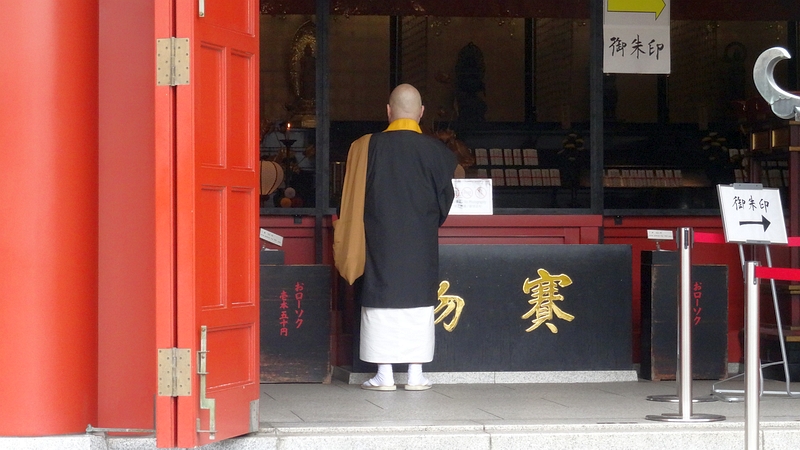
| It's good to see Pitbull at the temple. |
 |
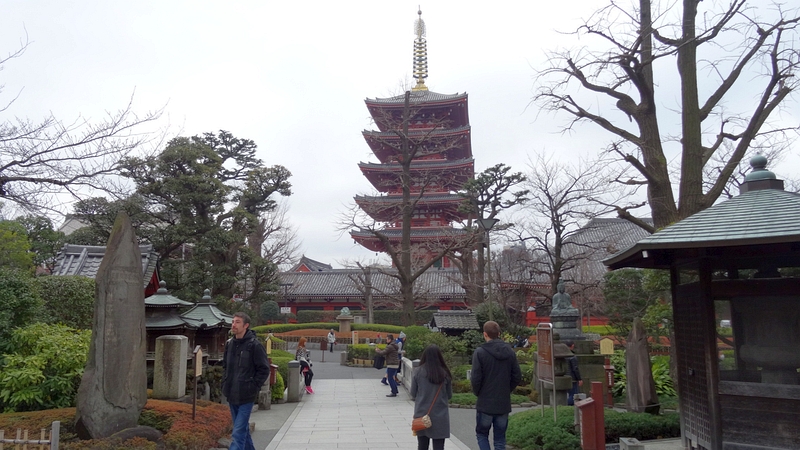
| Looks pretty Japanese, doesn't it? |
 |
| Lisa wanted us to taste some Japanese snacks so we had some gooey rice balls on a stick from this place. I think they are called mitarashi dango. They tasted good but they had the consistency of glue. |
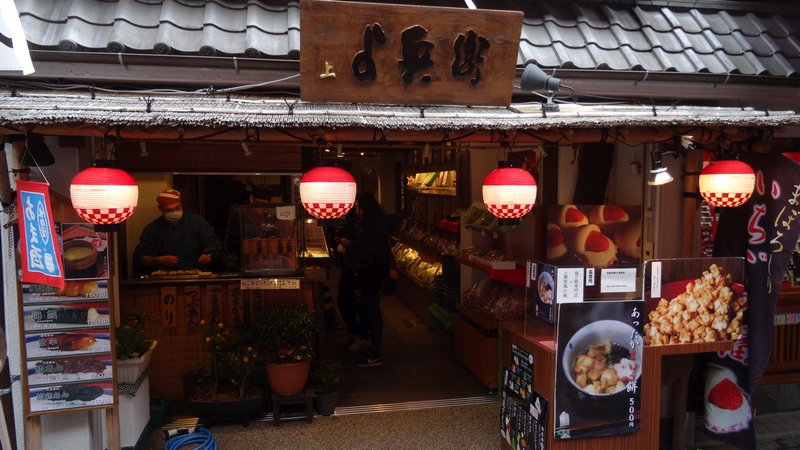 |
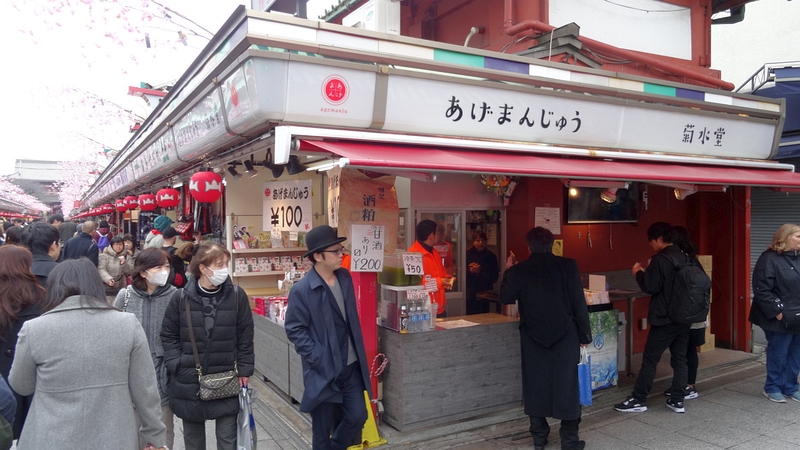
| We had a couple of other things from this place. I think Lisa said they were manju. They were other doughy things filled with a bean paste. |
 |
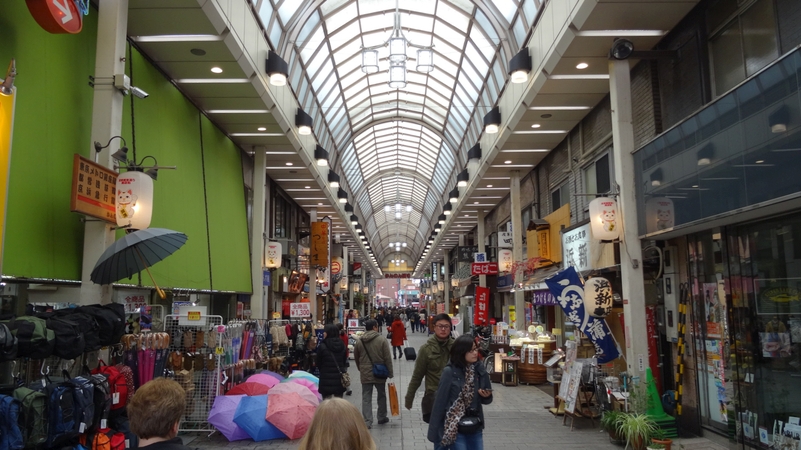
| Shin-Nakamise is a shopping street that runs parallel to the old Nakamise. Shin means new in Japanese. |
 |